

Table of Contents
TogglePaleo Diet: A Profitable Niche for Personal Chefs
As a personal chef, staying ahead of dietary trends isn’t just about keeping your menus fresh—it’s about tapping into opportunities that can set you apart and attract high-paying clients. One of the most popular and enduring trends in the culinary world is the Paleo Diet, and for chefs who know how to master it, this isn’t just a diet—it’s a business opportunity waiting to be seized.
The Paleo Diet is all about going back to basics—focusing on whole, unprocessed foods that mimic what our ancestors might have eaten. Think grass-fed meats, fresh vegetables, nuts, seeds, and healthy fats.
But here’s the real magic: while the diet itself is simple, creating meals that are both Paleo-compliant and bursting with flavor takes skill, creativity, and expertise. And that’s where you come in. Imagine serving your clients a perfectly grilled steak with a side of roasted root vegetables, drizzled with herb-infused olive oil. Or delighting them with a rich, dairy-free chocolate mousse made with avocado and cacao.
These aren’t just meals—they’re experiences that make your clients feel like they’re indulging while staying true to their health goals. And when you can deliver that kind of value, you’re not just a chef—you’re a trusted partner in their wellness journey. And trusted partners command premium rates.
What makes the Paleo Diet even more exciting is its appeal to a wide range of clients. From fitness enthusiasts looking to fuel their workouts to busy professionals seeking clean, nutrient-dense meals, the demand for Paleo-friendly cuisine is growing. By positioning yourself as an expert in this space, you’re tapping into a market that’s hungry for chefs who can deliver both health and flavor.
And here’s the opportunity: The Paleo Diet isn’t just a trend—it’s a lifestyle. Clients who commit to it are often looking for long-term support, which means repeat business for you. By mastering Paleo ingredients, techniques, and meal planning, you’re offering more than just food—you’re offering a service that clients will rave about, recommend, and rebook for.
So, why should you care? Because specializing in the Paleo Diet isn’t just a culinary skill—it’s a business strategy. It’s a way to stand out, attract discerning clients, and build a reputation as the chef who delivers meals that are as nourishing as they are unforgettable. Ready to turn Paleo cooking into a recipe for success? Let’s get started.
What is the Paleo Diet?
The Paleo Diet, also known as the Caveman Diet, is based on the types of foods presumed to have been eaten by early humans. It includes lean meats, fish, fruits, vegetables, nuts, and seeds — foods that could be obtained by hunting and gathering. The diet avoids dairy products, legumes, and grains, which became common after farming emerged.
As a personal chef, adopting the Paleo Diet into your cooking repertoire means focusing on whole, unprocessed foods and avoiding items like refined sugars and processed oils.
My Personal Experience with the Paleo Diet
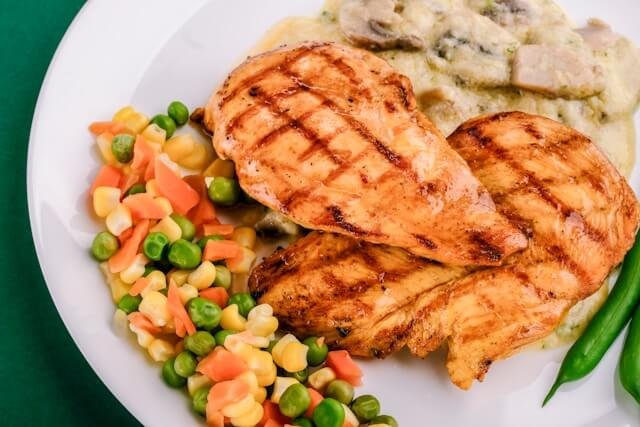
Cooking Paleo meals for my clients has been an enlightening experience. One of my initial challenges was designing menus without relying on common ingredients like dairy, grains, and legumes. However, this constraint pushed me to think outside the box and experiment with different flavor profiles and cooking techniques.
Finding high-quality, fresh ingredients is crucial when cooking Paleo meals. Farmers markets have been a godsend, providing a wide variety of organic fruits, vegetables, and lean meats.
One tip I’ve found useful is to always keep a good stock of Paleo-friendly pantry staples, like almond flour, coconut oil, and a variety of nuts and seeds. These ingredients can add depth and flavor to your dishes, and are versatile across many recipes.
Incorporating special diets into your services is not just about cooking—it’s about enhancing your clients’ quality of life through your culinary expertise. It may seem like a daunting task, but the rewards are immense. Read the giant list of special diets for personal chefs. Your next client might need your help!
The Benefits and Flavors of the Paleo Diet
The Paleo Diet is not just about cutting out certain food groups. It’s a celebration of natural, unprocessed ingredients that are packed with nutrients. Many of my clients have reported increased energy levels, better digestion, and even weight loss after switching to a Paleo diet.
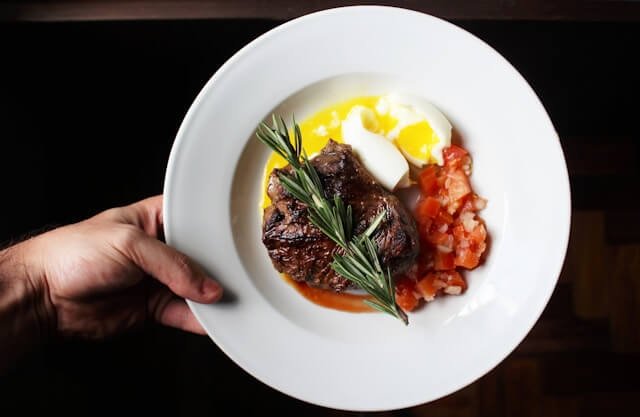
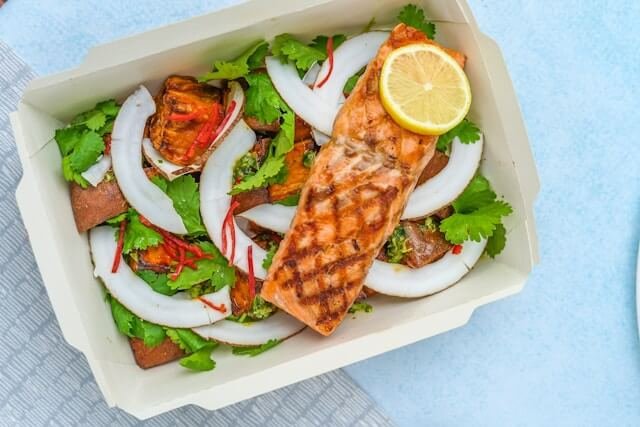
Despite its restrictions, the Paleo Diet doesn’t skimp on flavor. With the right combination of herbs, spices, and fresh produce, you can create dishes that are satisfying, delicious, and compliant with the diet. Think grilled salmon with a lemon-herb dressing, roasted sweet potatoes, or a fresh berry salad.
For recipe inspiration, check out websites like Paleo Leap or Nom Nom Paleo. They offer a plethora of Paleo-friendly recipes that range from simple to gourmet.
Wondering what tools a personal chef might need? I’ve written an extensive article for you – A Comprehensive List Of Must-Have Tools and Essential Items for the Personal Chef
Paleo Diet for Personal Chefs
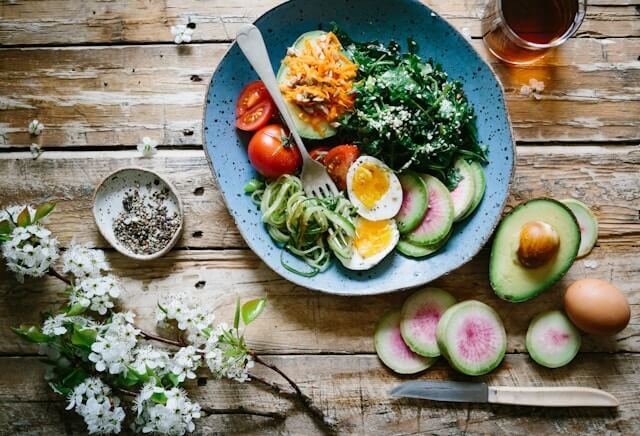
As personal chefs, it’s our job to accommodate our clients’ dietary needs and preferences while still delivering delicious and satisfying meals. The Paleo Diet, while challenging, has pushed me to become a more creative and resourceful chef. It’s shown me that with the right ingredients and techniques, it’s possible to create healthful meals that don’t compromise on taste.
So, aspiring personal chefs, are you ready to take on the Paleo challenge? Remember, every dietary trend is an opportunity to expand your culinary horizons and showcase your adaptability and skills. Happy cooking!
Sources: Mayo Clinic, Healthline
Here are some of my favorite tools for providing my personal chef service
As an experienced personal chef, I’ve found that the secret to creating mouthwatering dishes goes beyond just having a passion for food. It’s also about using the right kitchen tools. Today, I’m going to share with you my must-have kitchen items that help me bring my culinary creations to life.
1. Chef’s Knife
The first item on my list is a high-quality chef’s knife. It’s the most versatile tool in my kitchen, perfect for chopping, slicing, and dicing. My preference is for a Global Chef’s Knife, known for the edge and the way they are balanced.
2. Cast Iron Skillet
Next up is a good old cast-iron skillet. From searing steaks to baking cornbread, this pan does it all. I love the Lodge Cast Iron Skillet, which retains heat beautifully and adds a nice crust to anything you cook.
3. Stainless Steel Pots and Pans
A set of stainless steel pots and pans is essential for a variety of cooking techniques. They’re great for simmering, boiling, and sautéing. All-Clad’s Stainless Steel Cookware Set is my go-to choice for its exceptional performance and durability.
4. Immersion Blender
An immersion blender makes pureeing soups, making smoothies, and blending sauces a breeze. I suggest the Braun Multiquick Hand Blender, which is powerful, easy-to-clean, and highly versatile.
5. Digital Thermometer
To ensure perfectly cooked meats every time, a digital thermometer is a must. The ThermoPro TP19 Waterproof Digital Meat Thermometer provides speedy and accurate readings, ensuring your roast chicken or prime rib is cooked to perfection.
6. Silicone Spatula
A silicone spatula is a chef’s best friend for its versatility. It’s heat-resistant, non-stick, and perfect for everything from folding batter to stirring sauces. I recommend the OXO Good Grips Silicone Spatula.
7. Stand Mixer
Lastly, for avid bakers, a stand mixer is a game-changer. The KitchenAid Artisan Series 5-Qt. Stand Mixer isn’t just a pretty face; it makes mixing doughs and batters effortless.
These are the tools that I use daily in my personal chef service. Remember, quality tools make a difference, but they don’t have to break the bank. Start with the basics and add on as you grow more comfortable and adventurous in the kitchen.
Happy cooking!
