

Mastering the Balanced Plate: A Profitable Skill for Personal Chefs
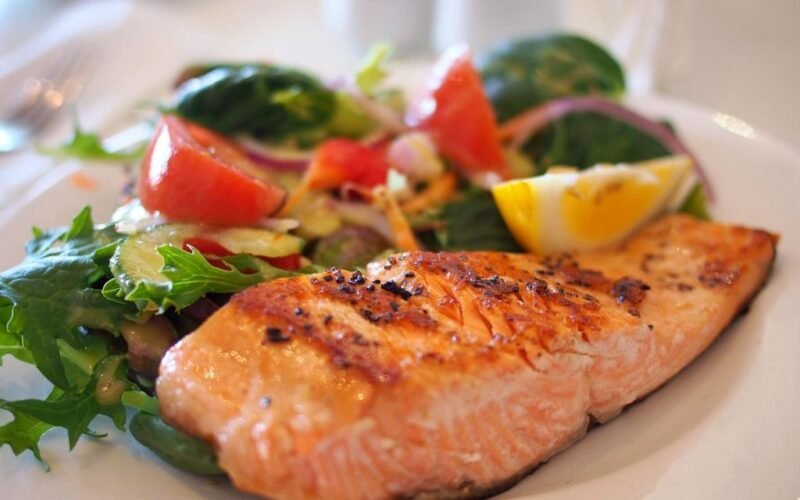
As a personal chef, you’re not just cooking meals—you’re creating experiences, promoting wellness, and delivering moments of joy with every dish you serve. And one of the most valuable skills you can master—the kind of skill that sets you apart and keeps clients coming back—is the art of crafting a perfectly balanced plate. This isn’t just about making food look good (though that’s part of it); it’s about blending nutrition, flavor, and presentation into a harmonious whole that clients will rave about—and pay a premium for.
A balanced plate is more than just a meal—it’s a statement of your expertise. Imagine serving a dish that not only looks stunning but also leaves your clients feeling energized, satisfied, and cared for. Whether it’s a vibrant salad with the perfect mix of textures and flavors, a protein-packed entrée paired with nutrient-rich sides, or a dessert that feels indulgent but is secretly wholesome, your ability to create meals that check every box makes you more than a chef—you’re a trusted partner in your clients’ health and happiness. And trust like that is worth its weight in gold.
What makes this skill even more exciting is its universal appeal. From busy professionals looking for nutritious meals to families seeking healthier options for their kids, the demand for chefs who can deliver balanced, delicious dishes is growing. By mastering this craft, you position yourself as a chef who doesn’t just cook but curates meals that align with your clients’ goals—whether that’s weight management, improved energy, or simply enjoying food that tastes as good as it makes them feel.
And here’s the opportunity: A balanced plate isn’t just about nutrition—it’s about creating an experience. The way you combine colors, textures, and flavors on a plate can turn an ordinary meal into something extraordinary. It’s this attention to detail that elevates your work and allows you to charge premium rates for your services. After all, clients aren’t just paying for food—they’re paying for the expertise, care, and artistry that goes into every dish.
So, why should you care? Because mastering the art of the balanced plate isn’t just a culinary skill—it’s a business opportunity. It’s a way to stand out, attract discerning clients, and build a reputation as the chef who delivers meals that are as nourishing as they are unforgettable. Ready to turn balanced plates into a recipe for success? Let’s get started.
What is a Balanced Plate?
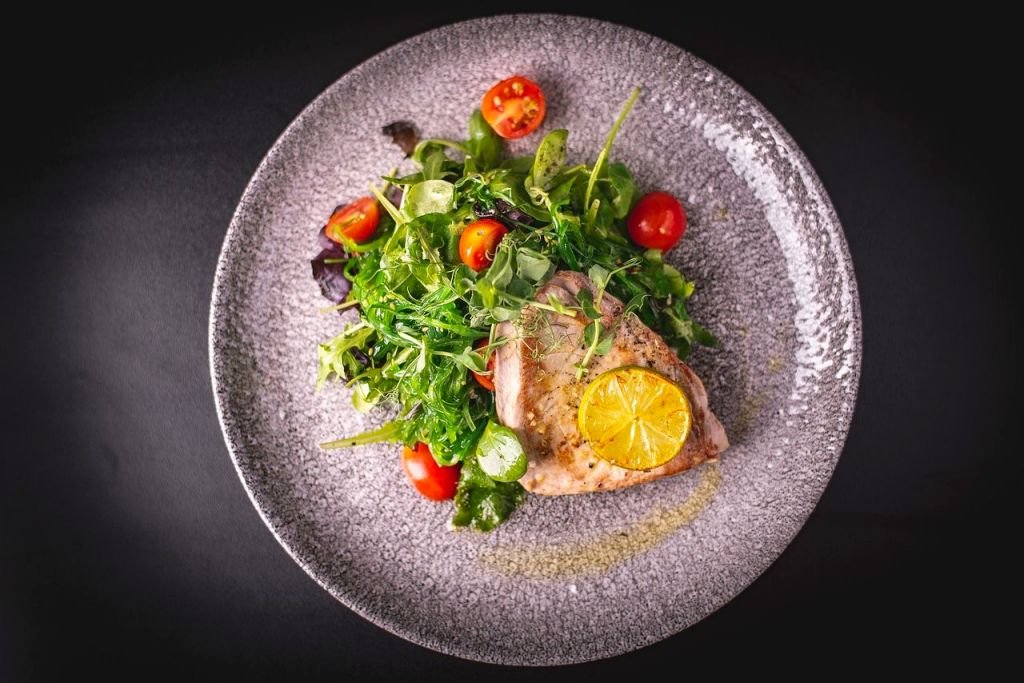
A balanced plate is one that provides the right amounts of essential nutrients our bodies need to thrive. It typically consists of lean proteins, whole grains, fruits, vegetables, and healthy fats. Each of these food groups plays a critical role in maintaining optimal health and preventing chronic diseases.
The Components of a Balanced Plate
Here’s a closer look at what makes up a balanced plate:
- Protein: Making up a quarter of your plate, protein is vital for building and repairing tissues. Opt for lean proteins like fish, poultry, tofu, or legumes.
- Whole Grains: Another quarter of your plate should be comprised of whole grains like brown rice, quinoa, and whole wheat bread. These foods are high in fiber, which aids digestion and helps control blood sugar levels.
- Fruits and Vegetables: The remaining half of your plate should be filled with colorful fruits and vegetables. These nutrient-dense foods provide a range of vitamins, minerals, and antioxidants.
- Healthy Fats: Incorporate a small amount of healthy fats into each meal. These can come from sources like avocados, nuts, seeds, and olive oil.
Crafting a Balanced Plate: Tips and Tricks
Creating a balanced plate is both a science and an art. Here are some tips to help you master it:
- Variety is Key: Ensure you include a variety of different foods on your plate to get a broad spectrum of nutrients. Remember, every color of fruit and vegetable provides different health benefits.
- Portion Control: Even healthy foods can contribute to weight gain if eaten in large amounts. Use measuring cups, a food scale, or visual cues to keep portion sizes in check.
- Flavor Balance: A great plate isn’t just nutritionally balanced, but also balances flavors. Try to include sweet, salty, sour, bitter, and umami flavors for a satisfying eating experience.
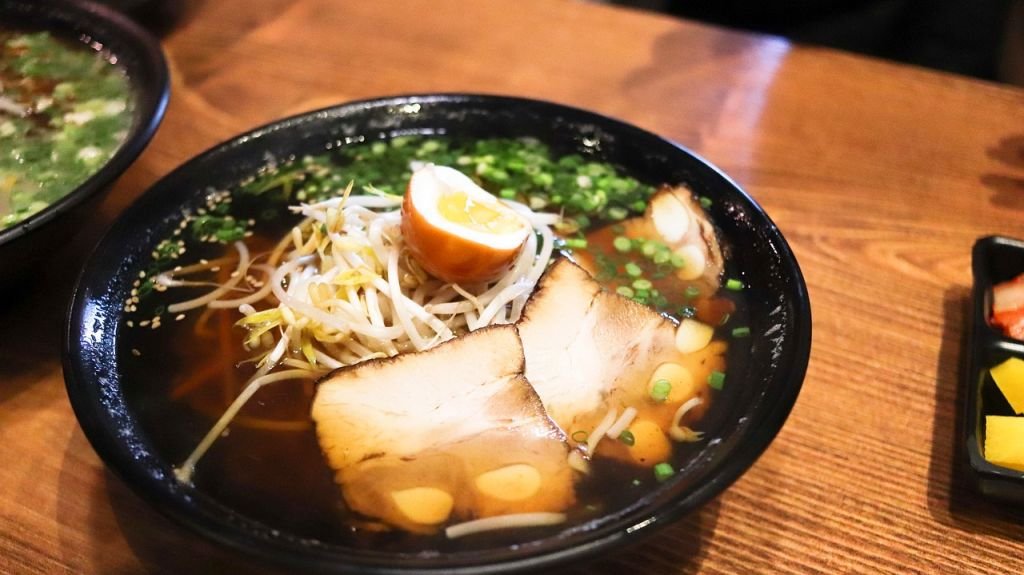
- Presentation Matters: The visual presentation of food can greatly enhance the dining experience. Use color contrasts, arrange food in an appealing way, and garnish creatively.
Balanced Plate Recipe Inspiration
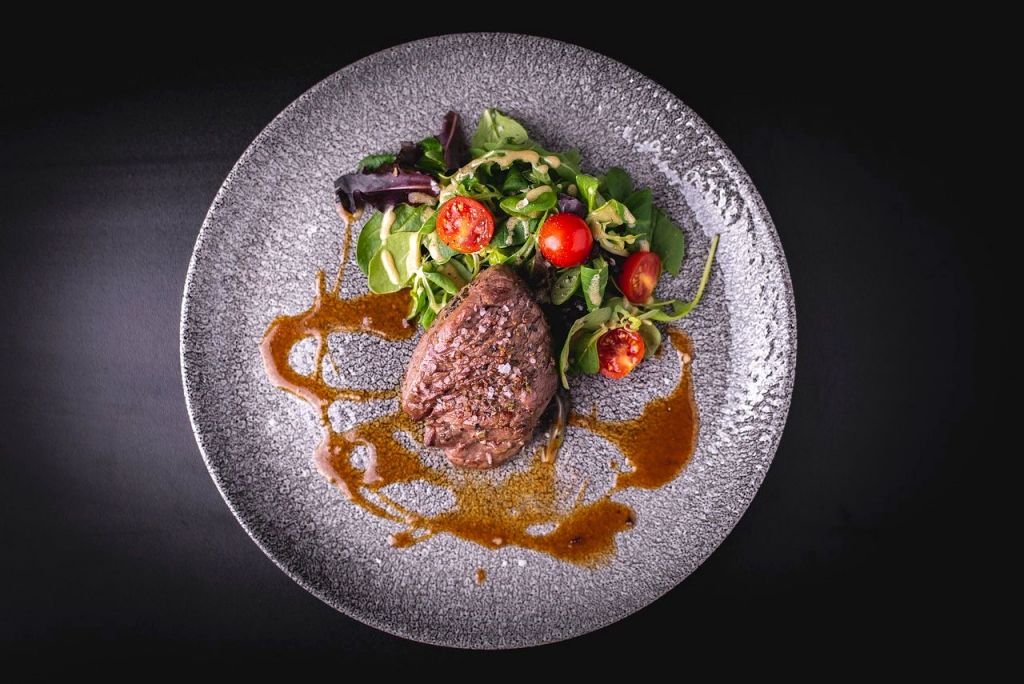
To get you started, here are some balanced plate recipe ideas:
- Grilled Salmon with Quinoa and Roasted Vegetables: This dish offers lean protein from the salmon, fiber-rich whole grains from the quinoa, and a variety of vitamins from the roasted veggies.
- Veggie Stir-Fry with Tofu and Brown Rice: Packed with colorful vegetables, this stir-fry provides a good dose of fiber and antioxidants. Tofu adds lean protein, while brown rice provides complex carbohydrates.
- Chicken Salad with Mixed Greens and Whole Grain Bread: This simple yet nutritious dish combines lean chicken, a variety of fresh vegetables, and whole grain bread for a balanced meal.
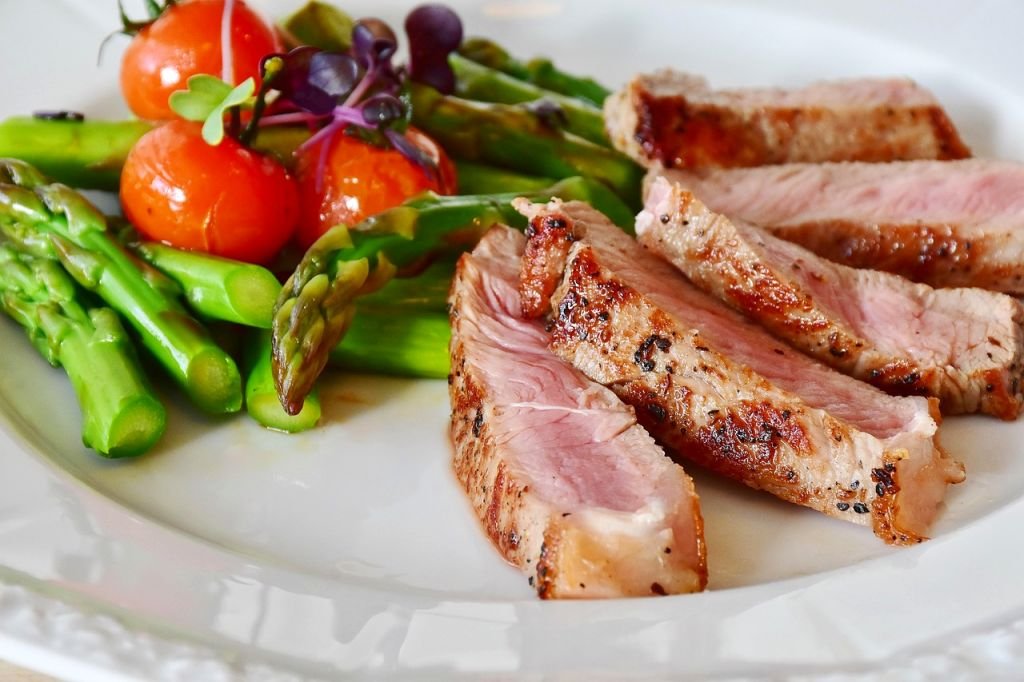
Creating a Balanced Plate
Mastering the art of creating a balanced plate is a key step towards becoming a successful personal chef. It’s not just about serving delicious food, but nourishing your clients’ bodies with the nutrients they need to stay healthy. As you continue to hone your culinary skills, remember that the best dishes are made with both knowledge and passion. Happy cooking!
