Soul Food Essentials For Personal Chefs

Soul Food: The High-Profit Comfort Cuisine Every Personal Chef Should Be Serving

Let’s get straight to it: If you’re a personal chef and you’re not cashing in on the rich, soulful, and deeply satisfying world of Soul Food, you’re leaving a massive opportunity—and a lot of money—on the table. This isn’t just food; it’s a cultural experience, a connection to history, and a plate full of nostalgia that clients will pay top dollar to relive. Soul Food isn’t just a meal—it’s a business goldmine.

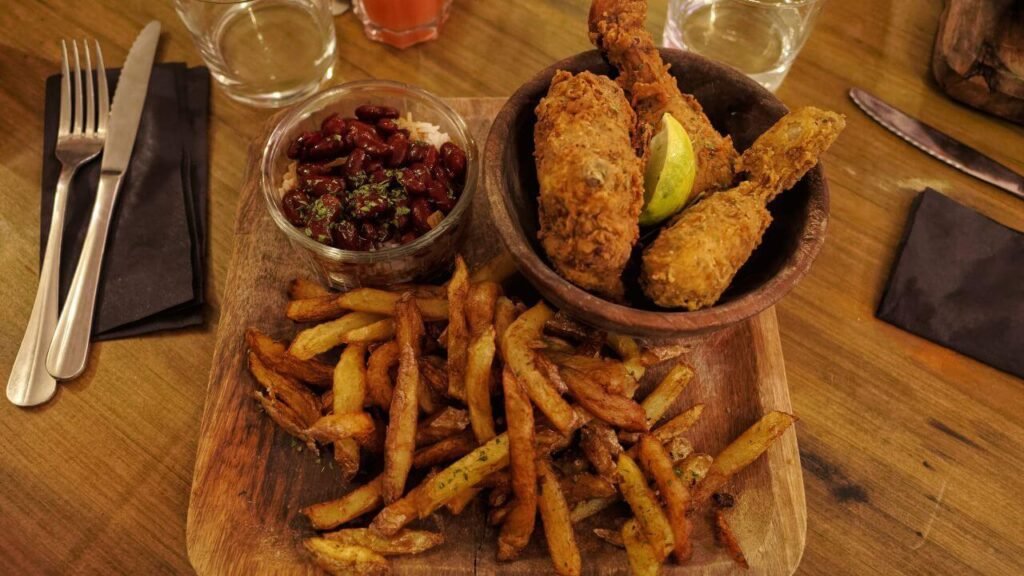
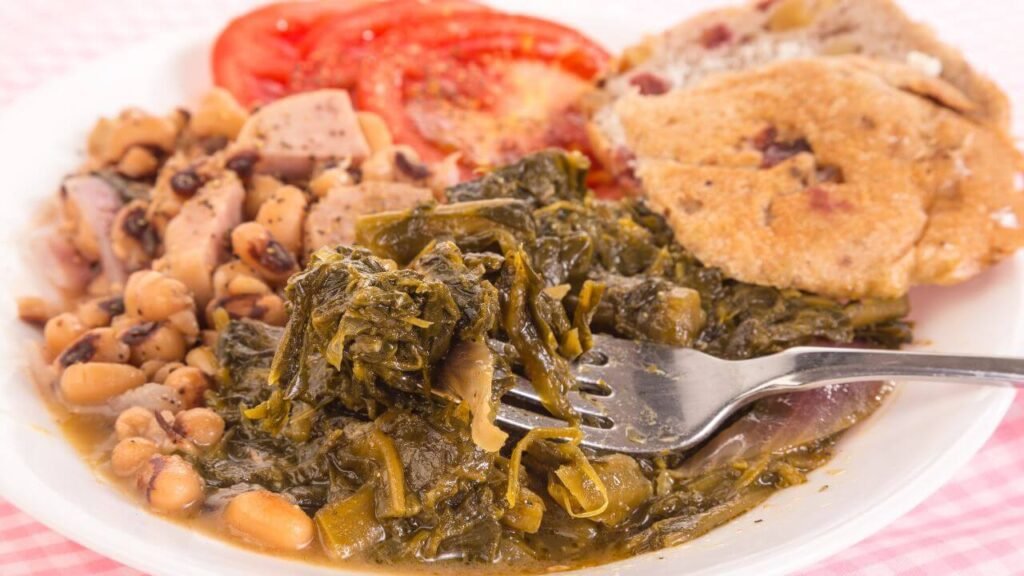
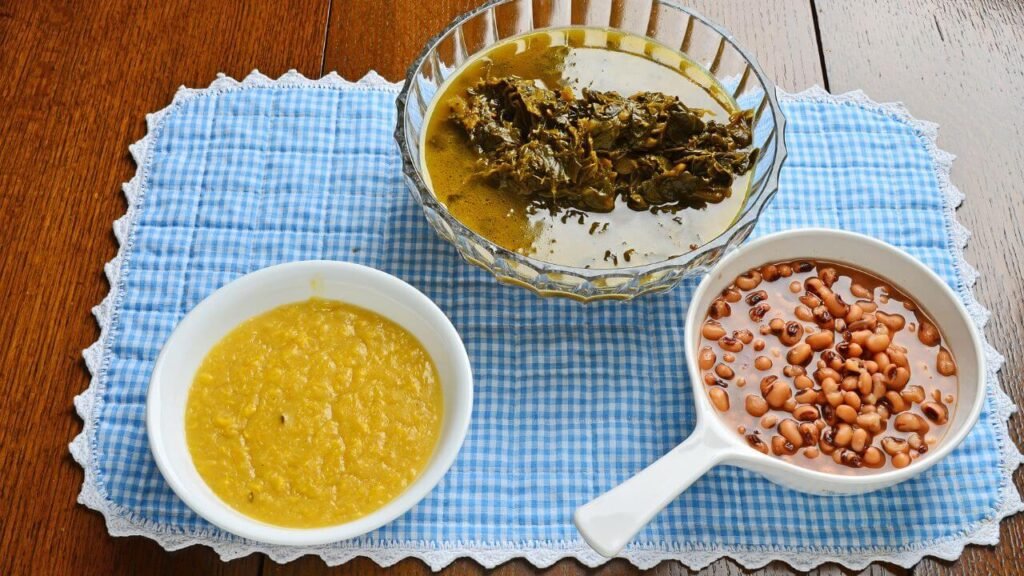
Soul Food is the ultimate comfort cuisine, rooted in the African American community and steeped in the traditions of the Southern United States. It’s hearty, flavorful, and unapologetically indulgent. Think about it: crispy, golden fried chicken, slow-cooked collard greens, creamy mac and cheese, and sweet, buttery cornbread. These aren’t just dishes—they’re emotional experiences. And when you can deliver that kind of emotional connection through food, you’re not just a chef—you’re a memory maker. And memories are worth every penny.

Here’s the kicker: Soul Food is more than just comfort—it’s a celebration of culture and history. When you serve your clients dishes like smoky, tender ribs, savory black-eyed peas, or a decadent sweet potato pie, you’re not just feeding them; you’re giving them a story, a taste of tradition, and a reason to keep coming back for more. And here’s the secret: people will pay a premium for food that feels like home but tastes like luxury.

So, why should you care? Because Soul Food isn’t just a culinary tradition—it’s a business opportunity. It’s a way to stand out, attract high-paying clients, and build a reputation as the chef who delivers extraordinary, one-of-a-kind dining experiences. Are you ready to turn fried chicken into financial freedom?

Aspiring personal chefs need to offer something different than traditional chefs who specialize in one or two kinds of cuisines. I’ve written an extensive article with links to many cuisines for your consideration – World Cuisine for Personal Chefs  

Key Ingredients in Soul Food

Soul Food is famous for its hearty and flavorful dishes made from simple, readily available ingredients. Some key ingredients include cornmeal, wheat flour, eggs, milk, onions, black pepper, paprika, cayenne, garlic powder, celery seed, lima beans, peas, green beans, and various types of meat.

Soul Food for Personal Chefs

Sourcing Ingredients and Substitutes

Most of these ingredients can be found in your local supermarket. In cases where certain ingredients like specific types of peas or beans are not available, similar varieties can be substituted.

Traditional Cooking Methods

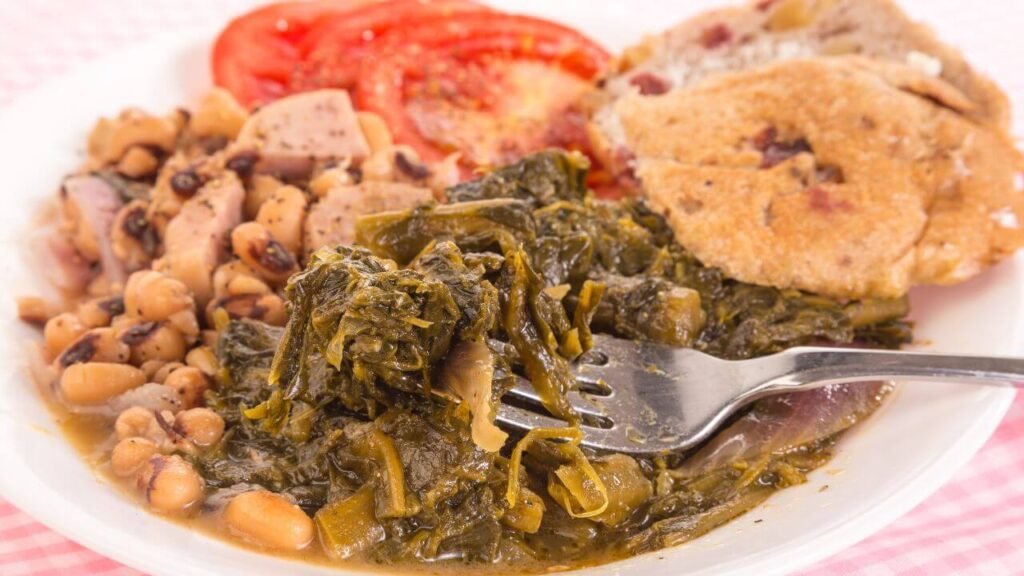
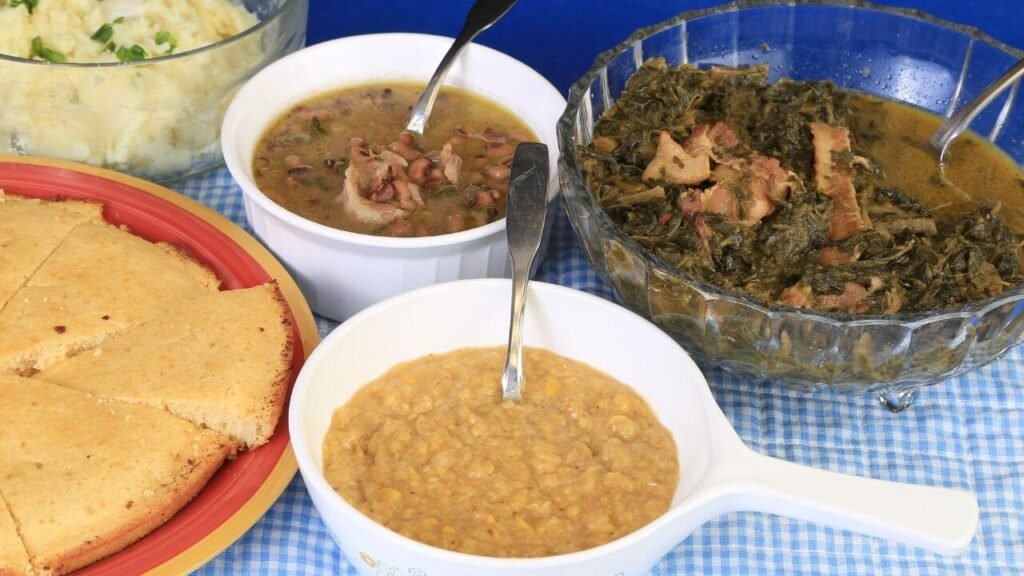
Soul Food utilizes a variety of cooking methods, including frying, boiling, baking, and slow-cooking. The cuisine is known for its deep-fried chicken, slow-cooked collard greens, and fluffy cornbread.

Tasting Soul Food

Soul Food offers a harmonious blend of savory, sweet, and spicy flavors. The cuisine is typically hearty, with robust and comforting flavors. While not all dishes are spicy, the heat level can be adjusted according to your client’s preference. Soul Food For Personal Chefs 

Cultural Significance and History

Soul Food is deeply intertwined with the African American experience, particularly the history of slavery and the subsequent era of segregation. It reflects the creativity and resilience of the African American community, transforming humble ingredients into culinary masterpieces.

Dietary Considerations

While traditional Soul Food can be rich and indulgent, there are many ways to make it healthier without sacrificing flavor. For example, you can use lean cuts of meat, limit the use of salt and sugar, and incorporate more fresh fruits and vegetables. Be mindful of potential allergens, especially gluten and dairy, for clients with dietary restrictions.

Traditional Accompaniments

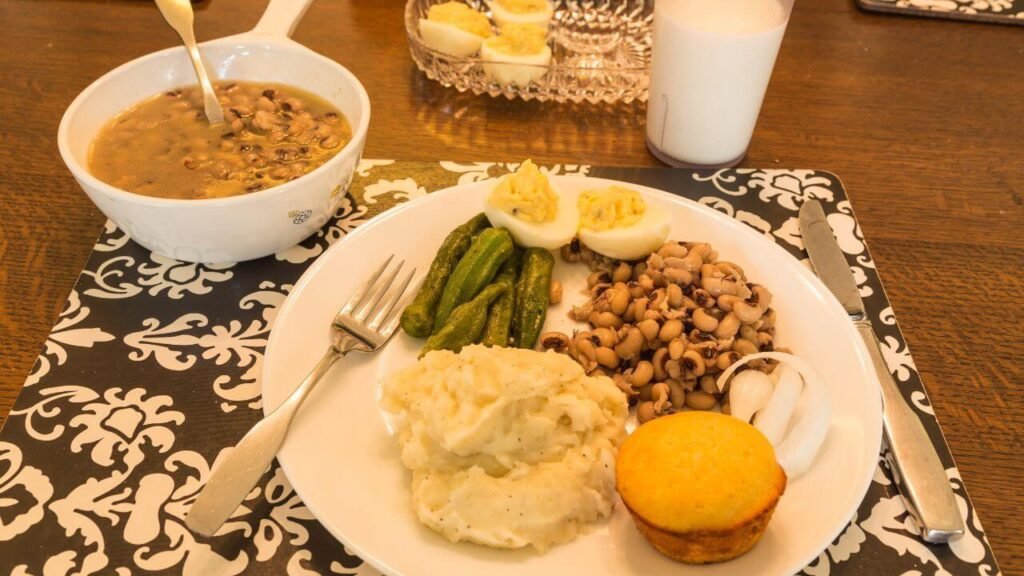
Common Soul Food side dishes include macaroni and cheese, candied yams, and black-eyed peas. Desserts often feature sweet treats like peach cobbler and sweet potato pie.

Presentation and Serving

Soul Food is traditionally served family-style, with generous portions meant for sharing. This reflects the communal and celebratory nature of the cuisine.

Variations of Soul Food

There are many regional variations within Soul Food, reflecting the diverse influences and local resources of different areas. For example, you might find Cajun and Creole influences in the Soul Food of Louisiana, while the Soul Food of coastal areas might feature more seafood.

Books – Soul Food for Personal Chefs

Here’s a curated selection of books available on Amazon that are designed to assist in preparing meals for individuals that love Soul Food.

Equipment and Preparation

While no specific equipment is required for most Soul Food dishes, a good cast-iron skillet is useful for frying and a slow cooker can be handy for preparing stews and braised dishes. Some recipes may require advance preparation, such as marinating meats or soaking beans.

Here’s a list of some essential tools, utensils, pots, and pans often used when preparing Soul Food (Southeastern U.S.):

Chef’s Knife: A versatile tool used for chopping, slicing, and dicing ingredients.

Cutting Board: A sturdy surface where ingredients are cut. It helps protect countertops and makes clean-up easier.

Cast Iron Skillet: This heavy-duty pan is perfect for frying chicken, making cornbread, or cooking up hearty stews.

Dutch Oven or Large Pot: Essential for making soups and stews like gumbo or collard greens.

Stockpot: Used for boiling pasta or making larger batches of soup.

Frying Pan: Essential for frying foods, a common method in soul food cooking.

Baking Dish: For casseroles and desserts like peach cobbler or sweet potato pie.

Roasting Pan: Ideal for roasting meats, such as ham hocks or turkey.

Mixing Bowls: Essential for combining ingredients. Used in almost every recipe.

Wooden Spoon: A must-have for stirring. It’s gentle on your pots and pans and doesn’t conduct heat.

Measuring Cups and Spoons: Necessary for accurate measurements of ingredients.

Tongs: Especially useful when handling hot foods or turning meat while it cooks.

Peeler: Used for peeling vegetables like sweet potatoes.

Whisk: Useful for mixing, beating, and whipping ingredients.

Grater: Used for grating cheese for dishes or zesting lemons for desserts.

Muffin Tin: Many soul food recipes include baked goods like cornbread muffins.

Pie Dish: Essential for making traditional soul food pies, such as sweet potato or pecan.

Colander: Used for draining boiled greens, pasta, or washing fruits and vegetables.

Slow Cooker or Instant Pot: Many soul food dishes, like stews and braised meats, are often slow-cooked to bring out flavors.

Remember, the tools you’ll need can vary depending on the specific soul food dishes you plan to prepare.
Personalizing Soul Food

As a personal chef, you can personalize Soul Food dishes to suit your clients’ preferences. This could mean adjusting the seasoning, offering vegetarian versions, or incorporating favorite ingredients while still maintaining the dish’s authenticity.

Soul Food for Personal Chefs

Remember, being a personal chef is not just about cooking – it’s about creating memorable dining experiences for your clients. Embrace the journey, keep these tips in mind, and you’re sure to succeed!

So, put on your chef’s apron, and let’s explore the rich flavors and traditions of Soul Food Cuisine!

For Customers Seeking Culinary Expertise

“Find Your Perfect Chef Today!”
Looking for a personal chef to elevate your dining experience? Discover talented chefs in your area who specialize in creating unforgettable meals tailored to your tastes. Visit our sister site, Personal Chef Finder, and connect with culinary experts ready to bring your vision to life. Your next delicious experience is just a click away!

For Personal Chefs Expanding Their Clientele

“Grow Your Business with Personal Chef Finder!”
Ready to showcase your culinary skills and attract more clients? Join Personal Chef Finder, the go-to platform for connecting personal chefs with food lovers in search of exceptional dining experiences. Gain visibility, expand your reach, and let your passion for cooking shine. Sign up today and start building your dream client base!

By Louie Montan

I’m Louie Montan, the behind-the-scenes engine that helped turn The Organic Personal Chef into a thriving business. Now through Become A Personal Chef and Personal Chef Finder, I help aspiring and established personal chefs master the business side of cooking — so they can focus on making their clients (and their careers) happy.

Leave a Reply

Your email address will not be published. Required fields are marked *