


Table of Contents
ToggleCanadian Cuisine: The Untapped Goldmine for Personal Chefs Ready to Cash In
Let’s cut to the chase: If you’re a personal chef and you’re not tapping into the rich, diverse, and wildly underrated world of Canadian cuisine, you’re leaving serious money on the table. This isn’t just about adding a few new dishes to your menu—it’s about unlocking a culinary niche that can set you apart, attract high-paying clients, and turn your services into a premium, in-demand experience.
Canadian cuisine is a hidden gem, offering a unique blend of flavors influenced by its Indigenous roots, French and British heritage, and multicultural population. Think about it: buttery, flaky tourtière, rich and savory poutine, or the sweet, indulgent perfection of maple syrup-infused desserts. These aren’t just dishes—they’re experiences. And experiences are what clients crave and are willing to pay top dollar for.
Here’s the kicker: Canadian cuisine is still a mystery to many, which means you have the opportunity to introduce your clients to something fresh, exciting, and completely unexpected. Imagine serving a perfectly seared Arctic char, a hearty bowl of split pea soup with a twist, or a decadent Nanaimo bar for dessert. These aren’t just meals—they’re stories. And stories are what turn one-time clients into loyal, repeat customers.
So, why should you care? Because Canadian cuisine isn’t just a culinary adventure—it’s a business opportunity. It’s a way to elevate your brand, stand out in a crowded market, and build a reputation as the chef who delivers extraordinary, one-of-a-kind dining experiences. Are you ready to turn poutine into profits?
Here’s a list of Canadian Food you might like to offer your personal chef clients:
1. Poutine
One cannot talk about Canadian food without mentioning the beloved dish of poutine. This delicious and indulgent comfort food originated in Quebec and consists of french fries topped with cheese curds and gravy. It may not be the healthiest option, but trust us, your clients will thank you for introducing them to this Canadian classic.
2. Maple Syrup
Canada is known for its vast maple syrup production, making it a staple ingredient in many dishes. From drizzling over pancakes to glazing meats, maple syrup adds a sweet and unique flavor to any dish. As personal chefs, you can get creative with incorporating this iconic ingredient into your menus.
3. Montreal-style Bagels
Another famous food item from Quebec is the Montreal-style bagel. These bagels are smaller and denser than their New York-style counterparts, with a larger hole in the middle. They also have a slightly sweeter taste due to being boiled in honey water before baking. Use these delicious bagels for breakfast sandwiches or as a base for mini pizzas.

4. Wild Game
Canada’s vast landscape is home to various wild game meats such as moose, elk, and bison. As personal chefs, you have the opportunity to introduce your clients to these unique and flavorful proteins. Consider incorporating them into stews, burgers, or even making a wild game charcuterie board for appetizers.
5. Bannock
Bannock is a traditional Indigenous bread that has been enjoyed in Canada for centuries. It is made from a simple dough of flour, water, and sometimes animal fat, then cooked over an open fire or in a skillet. This versatile bread can be served as a side dish or used as a base for toppings like smoked salmon or maple syrup.
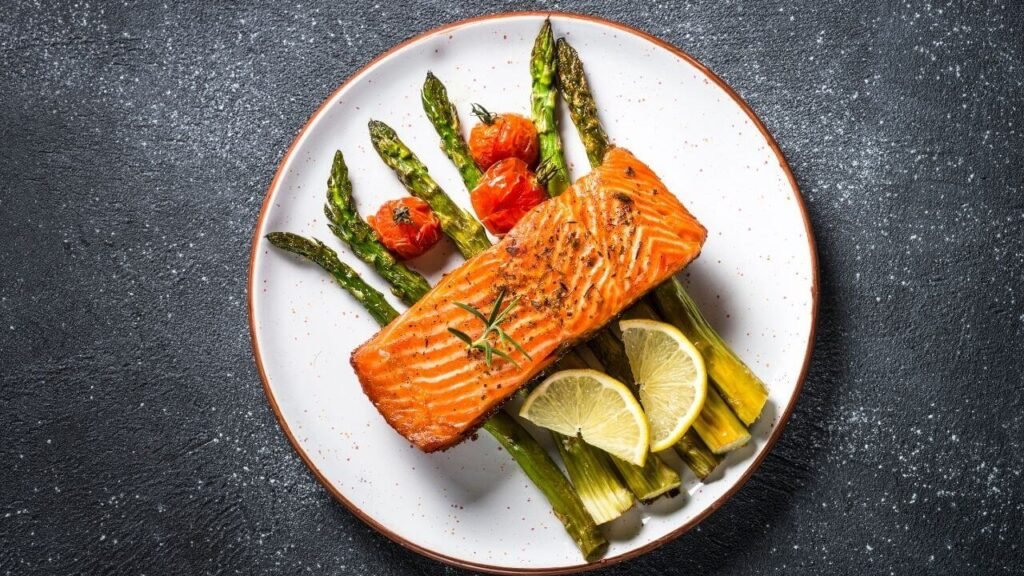
6. Salmon
Canada’s coastal regions are known for their abundant salmon population, making it a staple in Canadian cuisine. Wild-caught salmon is not only delicious but also packed with nutrients such as omega-3 fatty acids and protein. As a personal chef, you can prepare this versatile fish in a variety of ways, from grilled to poached to smoked.
7. Perogies
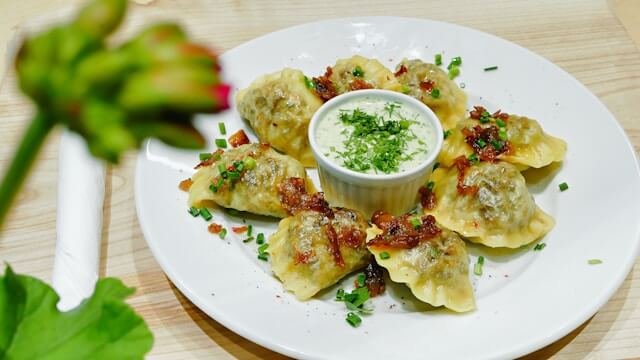
Perogies are a beloved comfort food in Canada, especially in the Prairies and Eastern provinces. These dumplings can be filled with various savory fillings such as potato and cheese, sauerkraut, or meat. They can be boiled, fried, or baked and are often served with sour cream or butter for dipping.
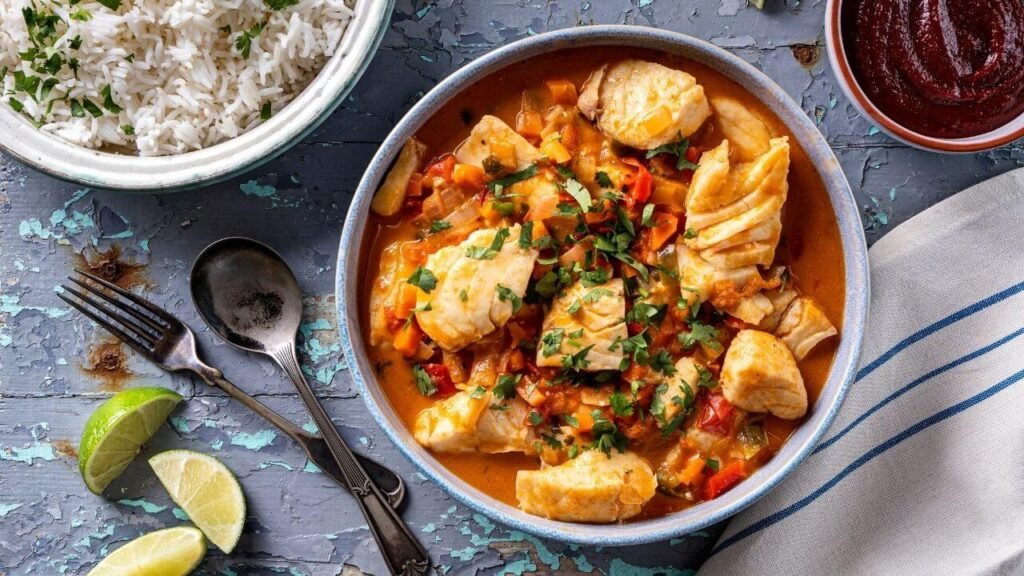
8. Fish Stew
Fish stew is a hearty and comforting dish that showcases the bounty of Canada’s coastal waters. This dish typically includes a variety of fish such as salmon, halibut, and cod, along with vegetables and herbs in a flavorful broth. It’s perfect for colder months and can be easily customized to include your favorite seafood.
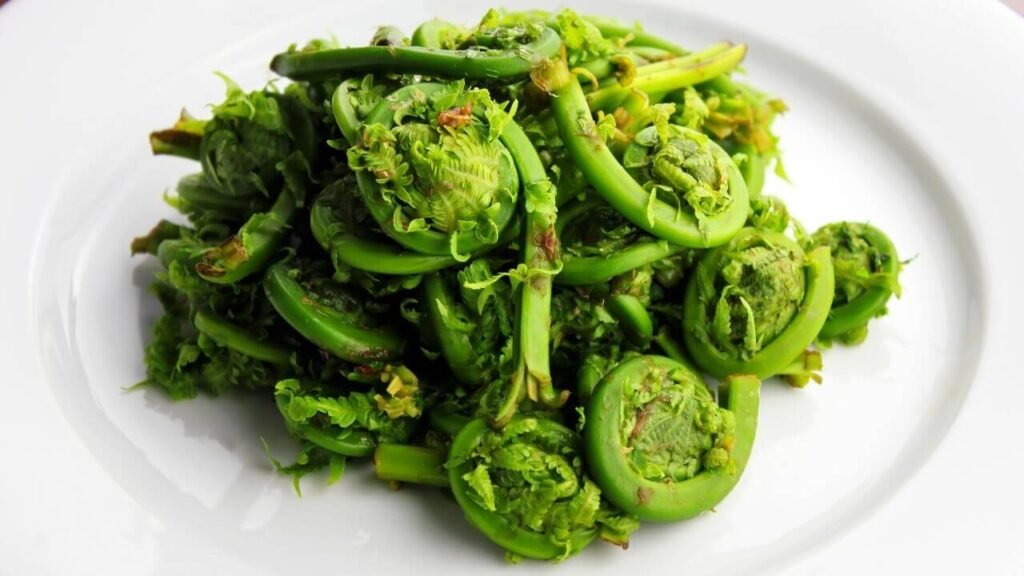
9. Fiddleheads
Fiddleheads are a traditional Canadian dish that is made from the young shoots of ferns. These tightly coiled greens have a unique flavor and texture, similar to asparagus or green beans. They are typically sautéed in butter and served as a side dish or incorporated into salads.
10. Tourtiere
Tourtiere is a French-Canadian meat pie that is often enjoyed during the holiday season. It’s made with ground pork, beef, or veal and seasoned with savory herbs and spices. This hearty dish is perfect for cold winter nights and can be served with ketchup or cranberry sauce.
Aspiring personal chefs need to offer something different than traditional chefs who specialize in one or two kinds of cuisines. I’ve written an extensive article with links to many cuisines for your consideration – World Cuisine for Personal Chefs
Key Ingredients in Canadian Cuisine
Canadian cuisine is known for its blend of indigenous ingredients and European influences. Central to this cuisine are components like maple syrup, salmon, mushrooms, rice, coriander, ginger, bay leaves, turmeric, anise, nutmeg, cloves, pepper, paprika, cinnamon, chili powder, cumin, and cayenne pepper. Canada is also famous for its beef, fruits, vegetables, and other meats.
Sourcing Ingredients and Finding Substitutes
Most ingredients used in Canadian cuisine can be found in local supermarkets or specialty food stores. If certain ingredients like specific Canadian cheeses or meats are hard to find, consider using substitutes that offer a similar flavor profile.
Traditional Cooking Methods
Traditional Canadian cooking methods often involve grilling, baking, and frying. Meats are frequently grilled or stewed, while vegetables and grains like rice and corn are often boiled.
Taste Profile and Dominant Flavors
Canadian cuisine offers a balance between savory and sweet flavors. While some dishes feature a hint of spice from various spices, Canadian cuisine is not typically spicy.
Cultural Significance and History
Canadian cuisine reflects the country’s rich history and natural resources. Each dish tells a story of the land, whether it’s the fresh salmon from British Columbia, the hearty beef dishes reflecting the country’s farming tradition, or the ubiquitous use of maple syrup, a testament to Canada’s love for sweets.
Dietary Restrictions and Allergies
Given the heavy reliance on various meats, dairy products, and gluten (in the form of bread and pasta), chefs should be mindful of potential allergies and dietary restrictions. However, with the widespread use of vegetables, grains, and legumes, there are plenty of delicious Canadian dishes that cater to different dietary needs.

Health Factor and Modifications
While some Canadian dishes can be rich due to the use of meat and dairy, many others feature nutrient-dense ingredients like whole grains, legumes, and vegetables. As a personal chef, you can make healthier versions of traditional dishes by controlling the amount of fat and salt used.
Traditional Accompaniments
Canadian meals are often accompanied by breads, rice, and a variety of side dishes. Popular beverages include Canadian beers and wines.
Presentation and Serving
Canadian food is traditionally served family-style, with communal dishes placed in the center of the table. This approach encourages sharing and enhances the social aspect of dining.
Variations and Special Equipment
Regional variations are common in Canadian cuisine, reflecting the country’s diverse geography and cultural influences. No specific equipment is needed beyond what is typically found in a well-stocked kitchen.
Here’s a list of some essential tools, utensils, pots and pans often used when preparing Canadian foods:
Chef’s Knife: A versatile tool used for chopping, slicing, and dicing ingredients.
Cutting Board: A sturdy surface where ingredients are cut. It helps protect countertops and makes clean-up easier.
Barbecue Grill: Canadians love their barbecues. This is essential for grilling traditional dishes like Montreal-style smoked meat or Alberta beef.
Frying Pan/Skillet: Used for frying and sautéing. Perfect for making a classic Canadian breakfast with bacon and eggs, or cooking up a tourtière (meat pie).
Saucepan: Necessary for making sauces or boiling smaller amounts of food. Useful for creating gravy for poutine.
Baking Dish: Essential for baking traditional dishes like butter tarts or Nanaimo bars.
Roasting Pan: This is used for roasting meats, such as the traditional turkey for Thanksgiving.
Mixing Bowls: Essential for combining ingredients. Used in almost every recipe.
Wooden Spoon: A must-have for stirring. It’s gentle on your pots and pans and doesn’t conduct heat.
Measuring Cups and Spoons: Necessary for accurate measurements of ingredients.
Tongs: Especially useful when grilling, to turn and serve meat without piercing it.
Peeler: Used for peeling vegetables like potatoes or carrots.
Whisk: Useful for mixing, beating, and whipping ingredients.
Grater: Used for grating cheese for dishes like poutine.
Poutine Gravy Boat: A special container used to pour gravy over the classic Canadian dish, poutine.
Remember, the tools you’ll need can vary depending on the specific Canadian dishes you plan to prepare.
Wondering what tools a personal chef might need? I’ve written an extensive article for you – A Comprehensive List Of Must-Have Tools and Essential Items for the Personal Chef
Pre-preparation and Personal Preferences
Some elements of Canadian cuisine, like preparing dough for bread or marinating meats, require advance preparation. Always consider your client’s personal preferences and dietary needs to ensure a satisfying dining experience.
Curious about the blueprint for running a successful personal chef company? Dive right in! Click here to unlock an exciting journey where we unravel the fundamental steps and elaborate strategies that you need to conquer for a rewarding career as a personal chef. Don’t wait, your success story starts here!
Canadian Food for Personal Chefs
So, put on your chef’s apron, and let’s explore the rich flavors and traditions of Canadian cuisine!
For Customers Seeking Culinary Expertise
“Find Your Perfect Chef Today!”
Looking for a personal chef to elevate your dining experience? Discover talented chefs in your area who specialize in creating unforgettable meals tailored to your tastes. Visit our sister site, Personal Chef Finder, and connect with culinary experts ready to bring your vision to life. Your next delicious experience is just a click away!

For Personal Chefs Expanding Their Clientele
“Grow Your Business with Personal Chef Finder!”
Ready to showcase your culinary skills and attract more clients? Join Personal Chef Finder, the go-to platform for connecting personal chefs with food lovers in search of exceptional dining experiences. Gain visibility, expand your reach, and let your passion for cooking shine. Sign up today and start building your dream client base!
