


Malaysian Cuisine: The Profit-Boosting Secret Every Personal Chef Needs to Know
Let’s get straight to it: If you’re a personal chef and you’re not leveraging the bold, exotic, and utterly unforgettable flavors of Malaysian cuisine, you’re missing out on a massive opportunity to elevate your brand and fatten your wallet. This isn’t just about adding a few new dishes to your menu – it’s about transforming your culinary offerings into a premium, in-demand experience that clients will happily pay top dollar for.
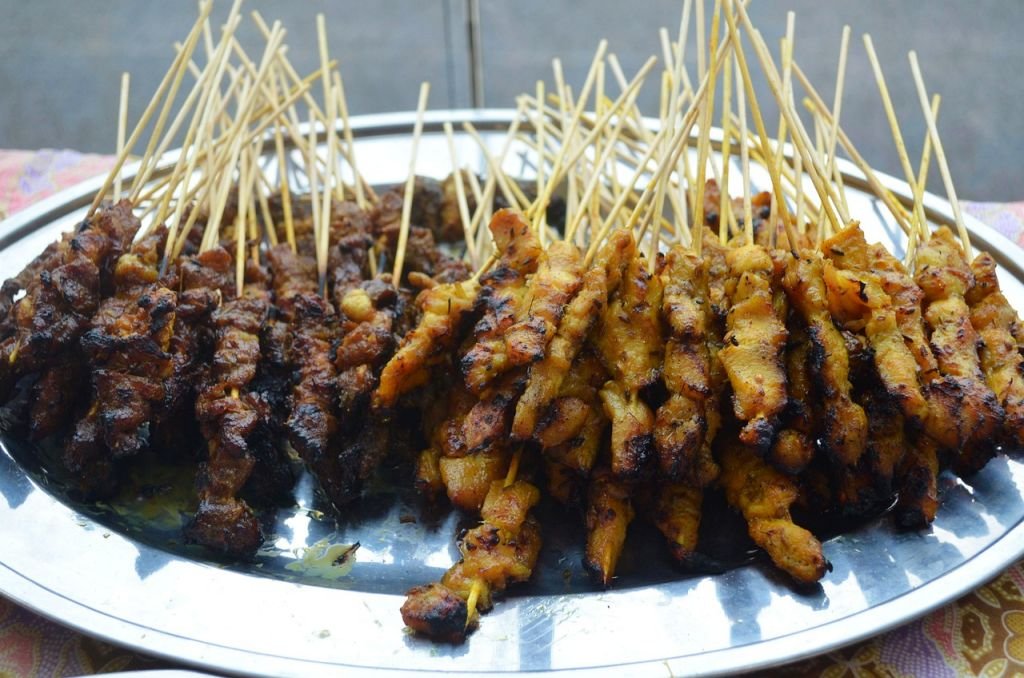
Malaysian cuisine is a treasure trove of flavors, born from a rich fusion of Malay, Chinese, Indian, and indigenous influences. It’s the kind of food that stops people in their tracks, makes them put down their phones, and savor every bite. Think about it: dishes like the creamy, aromatic laksa, the smoky, charred perfection of satay, or the sweet, sticky indulgence of pandan desserts. These aren’t just meals—they’re culinary adventures. And adventures sell.
Here’s the kicker: People don’t just want to eat; they want to experience. They want to feel like they’ve been whisked away to a bustling night market in Kuala Lumpur or a serene beachside feast in Penang – all without leaving their dining room. And when you can deliver that kind of transportive experience, you’re not just a chef – you’re a luxury. And luxury commands a premium.
So, why should you care? Because Malaysian cuisine isn’t just a way to spice up your repertoire—it’s a way to stand out in a crowded market, attract high-paying clients, and build a reputation as the chef who delivers the extraordinary. The rich, diverse world of Malaysian cuisine isn’t just a culinary journey – it’s a business opportunity. Are you ready to cash in?
Key Ingredients in Malaysian Cuisine
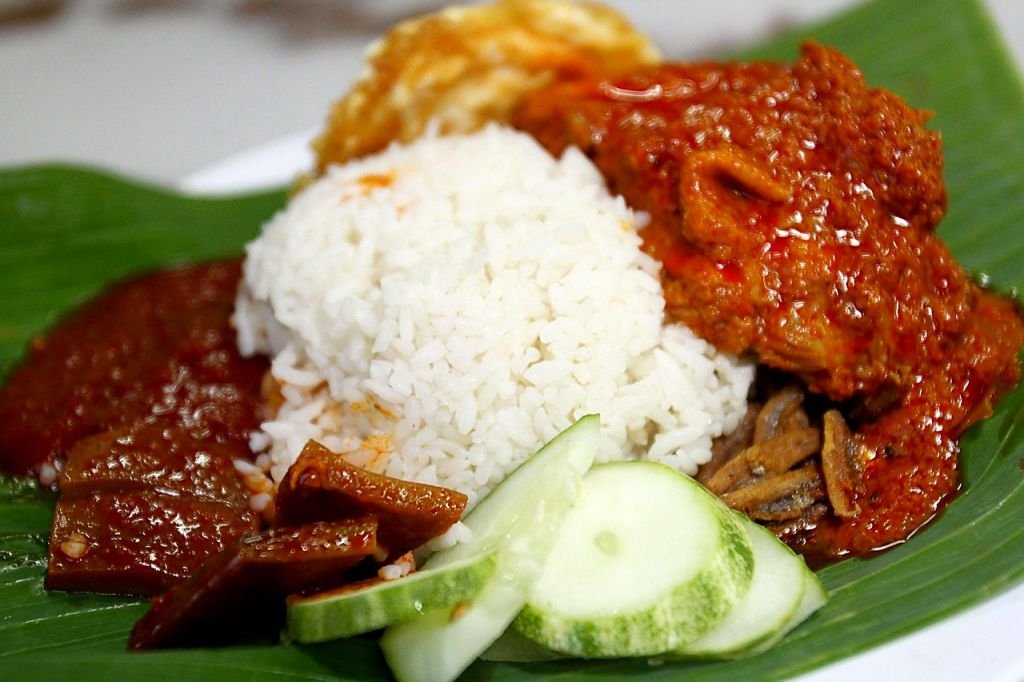
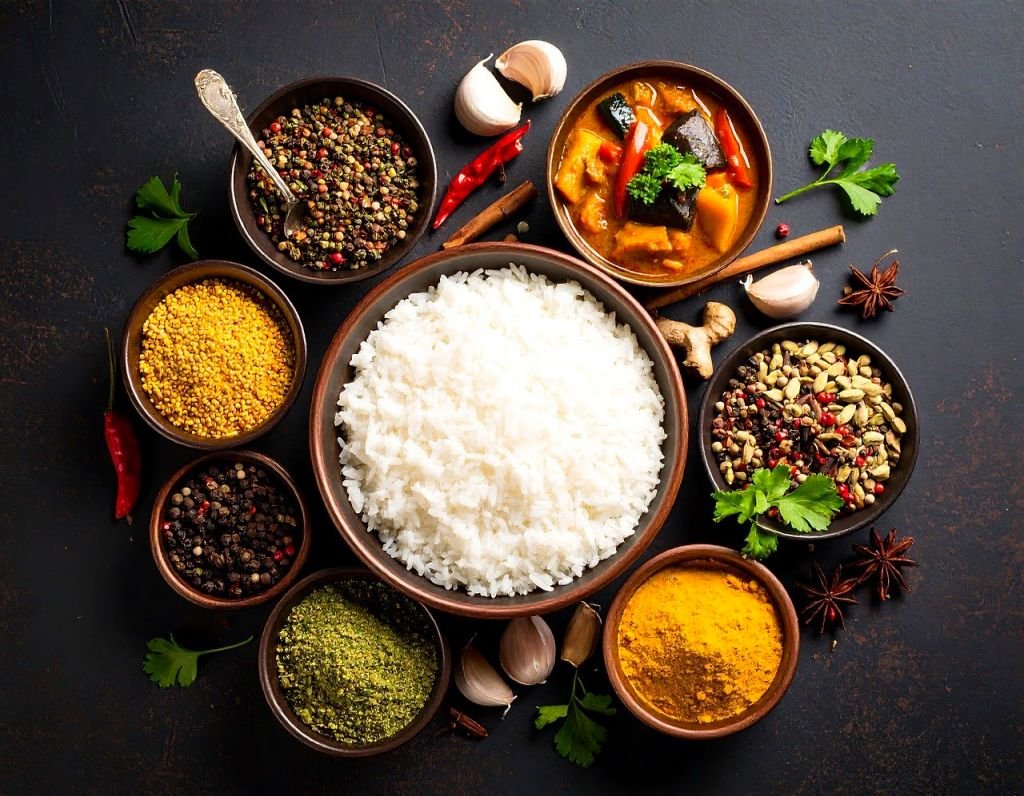
Malaysian cuisine is a delightful blend of flavors, largely influenced by its multiethnic population. The key ingredients that define this cuisine include tamarind, dried chillies, spices like turmeric and star anise, lemongrass, coconut oil, creamed coconut, pandan leaves, curry leaves, banana leaves, palm sugar, and dried red chilies. One of the defining features of Malaysian cuisine is the use of aromatic spices and herbs. Shrimp paste, locally known as belacan, is another staple and is made from dried fermented and salted shrimp.
Sourcing Ingredients and Finding Substitutes
While some of these ingredients are readily available in local supermarkets, others might require a trip to an Asian grocery store. If certain ingredients are hard to find, consider using substitutes. For example, you can substitute tamarind with a mix of lime juice and brown sugar.
Traditional Cooking Methods
Malaysian cooking methods are diverse and often involve stir-frying, steaming, and grilling. The use of a ‘wok’ is prevalent, and many dishes are slow-cooked to allow the flavors to meld together.
Taste Profile and Spice Level
Malaysian cuisine offers a kaleidoscope of flavors – sweet, sour, spicy, and savory, often within the same dish. Despite the liberal use of chillies, not all Malaysian food is overly spicy. The spice level can be adjusted according to preference without compromising on taste.
Cultural Significance and History
Malaysian cuisine reflects the multiethnic makeup of its population, with significant influences from the Malay, Chinese, Indian, Thai, and Indonesian cuisines. Each dish tells a story of the country’s rich cultural history and heritage.
Dietary Restrictions and Allergies
As with any cuisine, it’s important to be aware of potential dietary restrictions and allergies. Malaysian cuisine frequently uses seafood, nuts, and gluten, so substitutions may be necessary for clients with specific dietary needs.
Health Factor and Modifications
While some Malaysian dishes can be high in fat and sugar, many are packed with nutritious ingredients like vegetables, lean proteins, and healthy fats from coconut. As a personal chef, you can make healthier versions by controlling the amount of sugar, oil, and sodium used.
Traditional Accompaniments
Rice is a staple in Malaysian cuisine and often accompanies most meals. Malaysian meals are typically paired with flavorful sambals, pickles, and a variety of condiments.
Presentation and Serving
Presentation is an integral part of Malaysian food culture. Food is often served family-style, allowing everyone to share and enjoy a variety of dishes.
Variations and Special Equipment
There are regional variations in Malaysian cuisine, reflecting the country’s diverse cultural makeup. Special equipment like a wok or a steamer might come in handy when preparing these dishes.
Pre-preparation and Personal Preferences
Some elements of the cuisine, like pastes and sambals, can be made ahead of time. And as with any cuisine, personal preferences and dietary needs should always be taken into account to ensure a satisfying dining experience.
So, put on your chef hat and embark on this culinary adventure. The world of Malaysian cuisine awaits!
