


Polish Cuisine: The Hidden Goldmine for Personal Chefs Ready to Cash In
Let’s cut to the chase: If you’re a personal chef and you’re not tapping into the rich, hearty, and soul-satisfying world of Polish cuisine, you’re leaving serious money on the table. This isn’t just about adding a few new recipes to your repertoire—it’s about unlocking a culinary niche that can set you apart, attract high-paying clients, and turn your services into an unforgettable experience people will gladly pay a premium for.
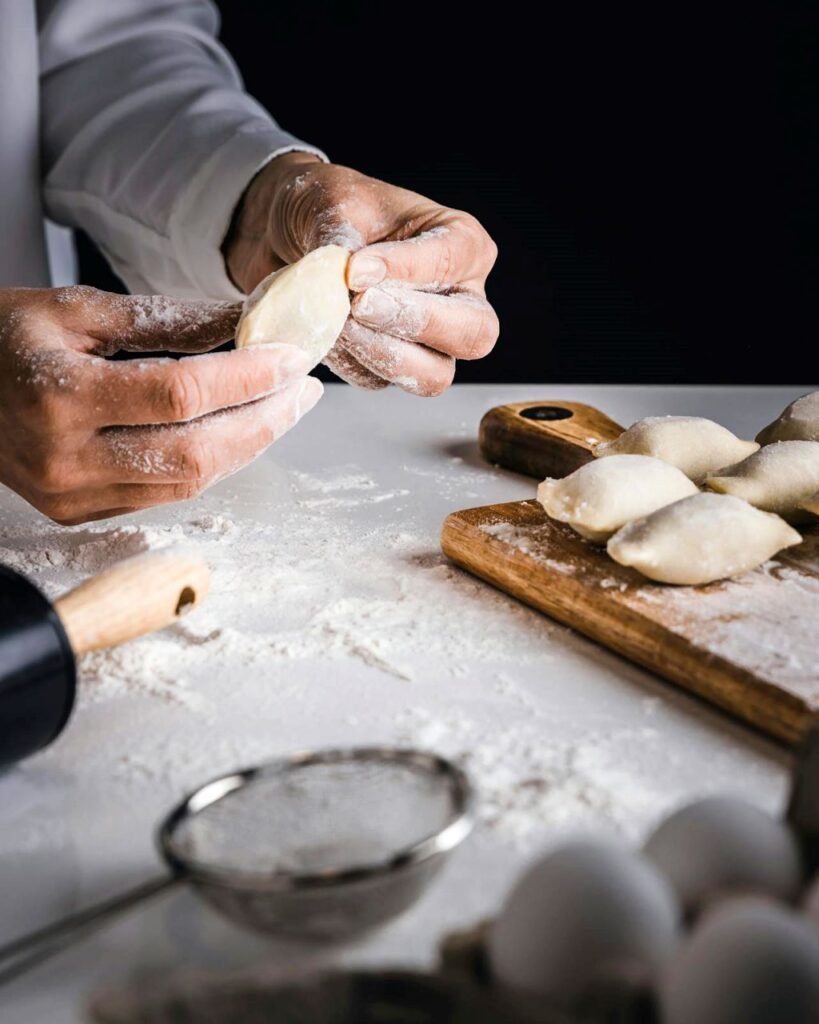
Polish cuisine is a powerhouse of comfort and tradition, offering dishes that are as satisfying as they are memorable. Think pierogi stuffed with savory fillings, melt-in-your-mouth beef roulades, and the rich, velvety goodness of bigos (hunter’s stew). These aren’t just meals—they’re culinary hugs, the kind of food that makes people feel at home, no matter where they are. And here’s the secret: comfort food sells. It’s the kind of cuisine that clients crave when they want to indulge, celebrate, or simply feel cared for.
But here’s where the real opportunity lies: Polish cuisine isn’t just comforting—it’s exotic enough to feel special and unique. Most people haven’t had a personal chef serve them authentic Polish dishes, and that’s your edge. When you can introduce your clients to the rich flavors of Europe—like the tangy bite of żurek (sour rye soup) or the sweet decadence of paczki (Polish donuts)—you’re not just feeding them; you’re giving them a story to tell. And stories are what people remember, rave about, and pay top dollar for.
So, why should you care? Because Polish cuisine isn’t just a culinary adventure—it’s a business opportunity. It’s a way to stand out, command higher fees, and build a reputation as the chef who delivers extraordinary, unforgettable dining experiences. Are you ready to turn pierogi into profits?
Key Ingredients in Polish Cuisine
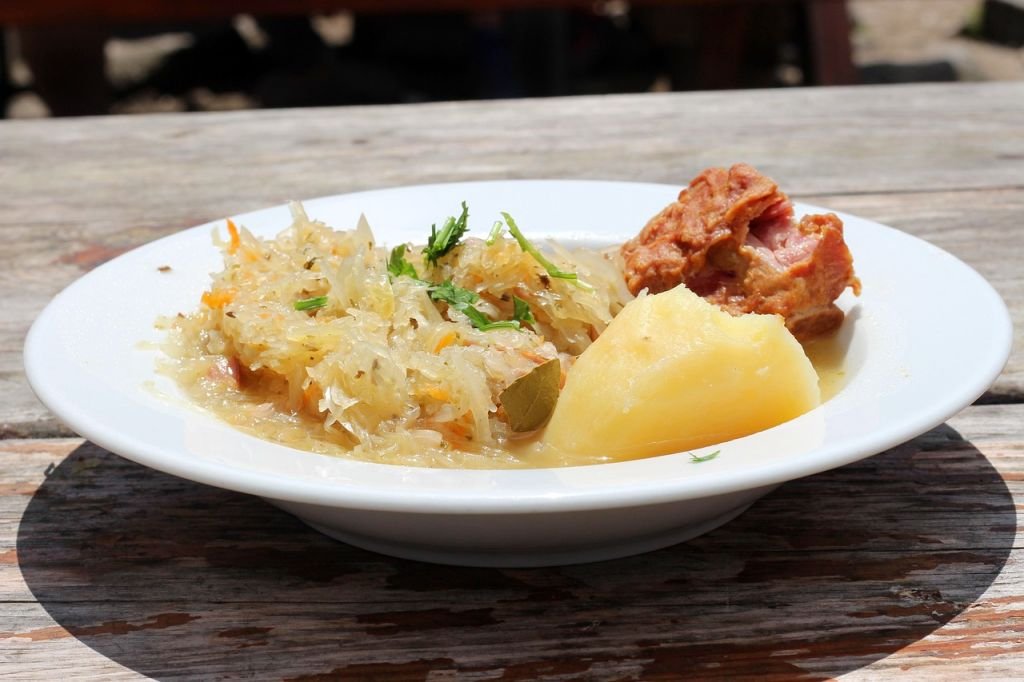
Polish cuisine is characterized by its rich and robust flavors, with ingredients that reflect the country’s agrarian traditions1. Central to this cuisine are components like sauerkraut, beetroot, cucumbers (gherkins), sour cream, kohlrabi, mushrooms, pork, and a variety of herbs and spices such as dill, poppy seeds, and horseradish23[^4^]. Polish cuisine also features a fondness for imported spices, particularly ginger, clove, saffron, and cinnamon[^5^].
Sourcing Ingredients and Finding Substitutes
Most ingredients used in Polish cuisine can be found in local supermarkets or specialty food stores. If certain ingredients like specific Polish sausages or spices are hard to find, consider using substitutes that offer a similar flavor profile.
Traditional Cooking Methods
Traditional Polish cooking methods often involve boiling, stewing, baking, and frying[^6^]. Meats, particularly pork, are frequently roasted or stewed to perfection, while vegetables are often boiled or pickled.
Taste Profile and Dominant Flavors
Polish cuisine offers a balance between savory, tangy, and sweet flavors, with a hint of earthiness from root vegetables and mushrooms1. While some dishes feature a kick of spice from horseradish or pepper, Polish cuisine is not typically spicy.
Cultural Significance and History
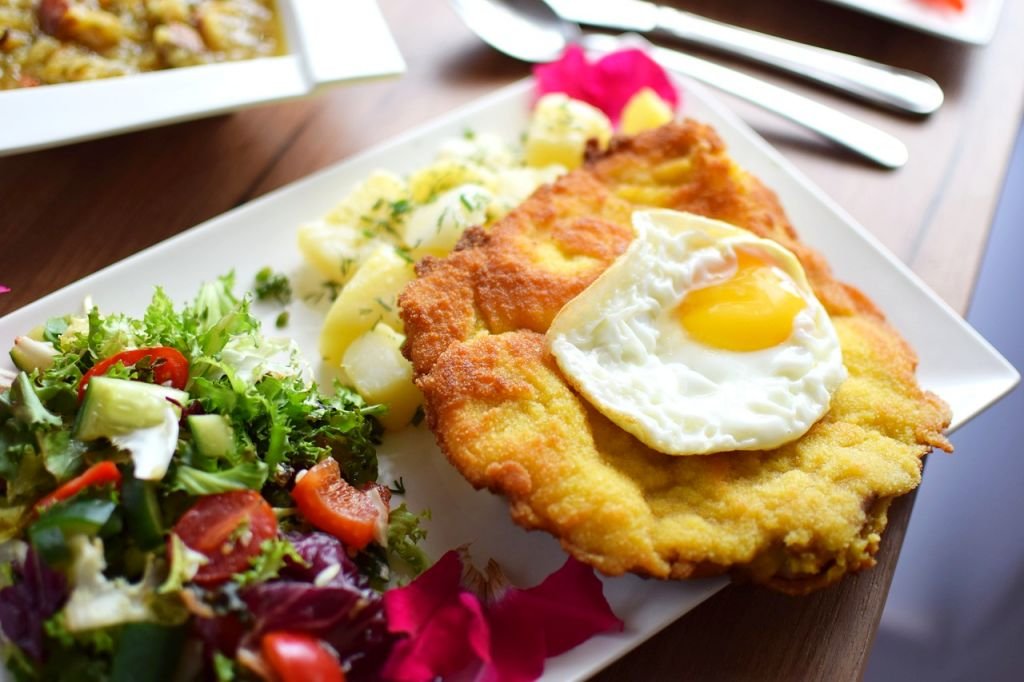
Polish cuisine reflects the country’s rich history and regional diversity. Each dish tells a story of the area it originates from, whether it’s the hearty meat dishes of Silesia, the seafood delicacies of Pomerania, or the unique blend of Eastern European influences in the cuisine of Podlaskie.
Dietary Restrictions and Allergies
Given the heavy reliance on various meats and dairy products, chefs should be mindful of potential allergies and dietary restrictions. However, with the widespread use of vegetables, grains, and legumes, there are plenty of delicious Polish dishes that cater to different dietary needs.
Health Factor and Modifications
While some Polish dishes can be rich due to the use of meat, butter, and cream, many others feature nutrient-dense ingredients like whole grains, legumes, and vegetables. As a personal chef, you can make healthier versions of traditional dishes by controlling the amount of fat and salt used.
Traditional Accompaniments
Polish meals are often accompanied by hearty breads, pickles, and mustards. Popular beverages include beer, particularly lagers and pilsners, and vodka[^7^].
Presentation and Serving
Polish food is traditionally served family-style, with communal dishes placed in the center of the table. This approach encourages sharing and enhances the social aspect of dining.
Variations and Special Equipment
Regional variations are common in Polish cuisine, reflecting the country’s diverse geography and cultural influences. No specific equipment is needed beyond what is typically found in a well-stocked kitchen.
Pre-preparation and Personal Preferences
Some elements of Polish cuisine, like marinating meats or fermenting cabbage for sauerkraut, require advance preparation. Always consider your client’s personal preferences and dietary needs to ensure a satisfying dining experience.
So, put on your chef’s apron, and let’s explore the rich flavors and traditions of Polish cuisine!
