

Table of Contents
TogglePhilippine Cuisine: The Secret Weapon for Personal Chefs to Skyrocket Their Income
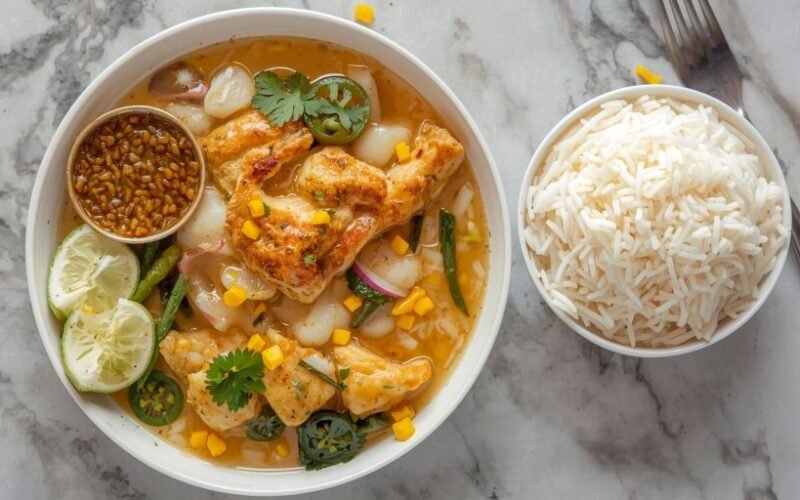
Let me cut straight to the chase: If you’re a personal chef and you’re not tapping into the bold, exotic, and downright addictive flavors of Philippine cuisine, you’re leaving serious money on the table. This isn’t just about adding a few new dishes to your menu—it’s about positioning yourself as the go-to chef who delivers unforgettable, one-of-a-kind dining experiences that clients will pay a premium for.
The Philippines is a culinary goldmine, blending influences from Spanish, Chinese, Malay, and indigenous traditions into a flavor profile that’s as diverse as it is irresistible. This is the kind of cuisine that turns heads, sparks conversations, and keeps clients coming back for more. From the rich, savory adobo to the sweet and tangy sinigang, every dish tells a story—and stories sell.
Here’s the thing: People don’t just want food; they want an experience. They want to be wowed, to feel like they’ve traveled the world without leaving their dining room. And that’s exactly what Philippine cuisine delivers. Imagine serving up a sizzling plate of pork sisig or a perfectly caramelized leche flan. These aren’t just meals—they’re moments. And moments are what clients remember, rave about, and pay top dollar for.
So, why should you care? Because incorporating Philippine cuisine into your offerings isn’t just a way to stand out—it’s a way to elevate your brand, command higher fees, and build a reputation as a chef who delivers the extraordinary. The adventurous world of Philippine cuisine isn’t just a journey—it’s a business opportunity. Are you ready to cash in?
Key Ingredients in Filipino Cuisine
Filipino cuisine is known for its balance of sweet, sour, and savory flavors. Some key ingredients include:
- Tocino and Longanisa: These are types of cured pork that are popular in Filipino dishes.
- Vinegar: A common ingredient used to add acidity to many dishes.
- Toyo (Soy Sauce): Used as a seasoning and marinade.
- Calamansi: A citrus fruit that adds a tangy flavor.
- Banana Ketchup: A unique Filipino condiment.
- Garlic, Onion, and Tomato: These form the basis of many Filipino dishes.
- Patis (Fish Sauce): Adds umami flavor to dishes.
Ingredients and Finding Substitutes
Most of these ingredients can be found in Asian grocery stores or online. If certain ingredients are hard to find, substitutes can sometimes be used. For instance, lemon or lime can be used as a substitute for calamansi, although it may slightly alter the flavor.r sit amet, consectetur adipiscing elit. Ut elit tellus, luctus nec ullamcorper mattis, pulvinar dapibus leo.
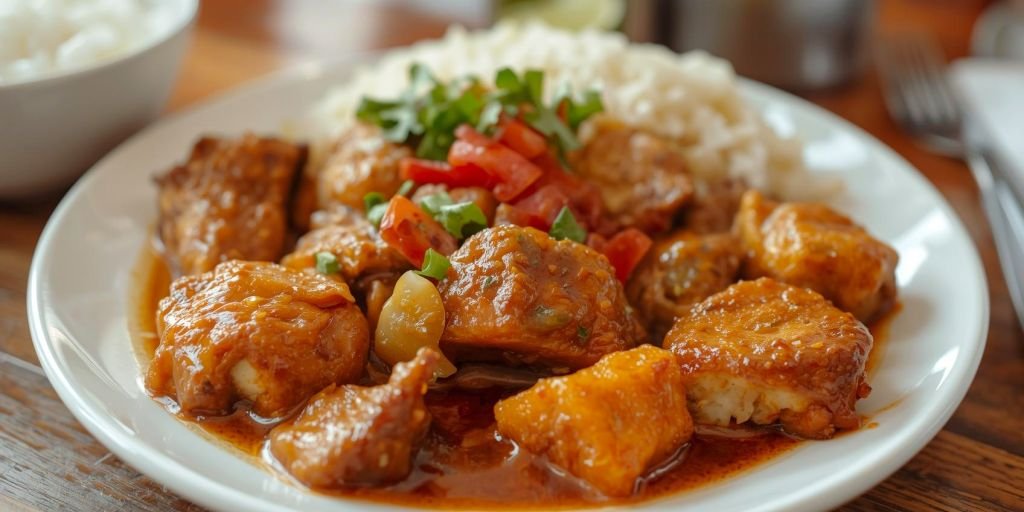
Traditional Cooking Methods and Taste Profile
Filipino cuisine employs a variety of cooking methods, from sautéing to grilling. The dominant flavors are a balance of sweet, sour, and savory. While some dishes can be spicy, the level of spice can be adjusted to suit your client’s preference.
Cultural Significance and Dietary Considerations
Filipino cuisine reflects the country’s diverse cultural heritage, with influences from its indigenous people, as well as Spanish, Chinese, and American cultures. When preparing Filipino dishes, consider potential dietary restrictions. Many dishes can be adapted to suit vegetarian or vegan diets.
Health Considerations and Accompaniments
While Filipino cuisine features fresh ingredients and lean meats, it also includes hearty, rich dishes that should be enjoyed in moderation. Traditional accompaniments include rice, a variety of vegetables, and tropical fruits.

Presentation and Preparation
Filipino dishes are typically served family-style, with several shared dishes placed in the center of the table. Some dishes, like adobo, benefit from being prepared ahead of time to allow the flavors to develop.
Personalizing Filipino Cuisine
As a personal chef, you can personalize each dish to suit your client’s preferences. Whether they prefer less sweetness, a different protein, or a vegetarian version, there’s plenty of room for modification while still maintaining the authentic flavors of Filipino cuisine.
So, are you ready to take your clients on a culinary journey to the Philippines? With its complex flavors and rich cultural history, Filipino cuisine is sure to impress!
For Customers Seeking Culinary Expertise
“Find Your Perfect Chef Today!”
Looking for a personal chef to elevate your dining experience? Discover talented chefs in your area who specialize in creating unforgettable meals tailored to your tastes. Visit our sister site, Personal Chef Finder, and connect with culinary experts ready to bring your vision to life. Your next delicious experience is just a click away!

For Personal Chefs Expanding Their Clientele
“Grow Your Business with Personal Chef Finder!”
Ready to showcase your culinary skills and attract more clients? Join Personal Chef Finder, the go-to platform for connecting personal chefs with food lovers in search of exceptional dining experiences. Gain visibility, expand your reach, and let your passion for cooking shine. Sign up today and start building your dream client base!
