

Table of Contents
ToggleGerman Cuisine: The High-Profit Powerhouse Every Personal Chef Should Be Serving Up
Let’s get straight to the point: If you’re a personal chef and you’re not cashing in on the hearty, comforting, and flavor-packed world of German cuisine, you’re leaving serious money on the table. This isn’t just about adding a few bratwursts to your menu—it’s about creating premium, unforgettable dining experiences that clients will pay top dollar for. German food isn’t just a meal; it’s a celebration of tradition, and tradition sells.
German cuisine is a goldmine of bold flavors, rich textures, and dishes that scream comfort and indulgence. Think about it: perfectly grilled bratwurst, crispy schnitzel, or a steaming bowl of savory sauerkraut paired with tender pork. These aren’t just dishes—they’re experiences that transport your clients straight to the beer halls of Bavaria or the cozy kitchens of the Black Forest. And when you can deliver that kind of authenticity, you’re not just a chef—you’re a culinary craftsman. And craftsmen command a premium.
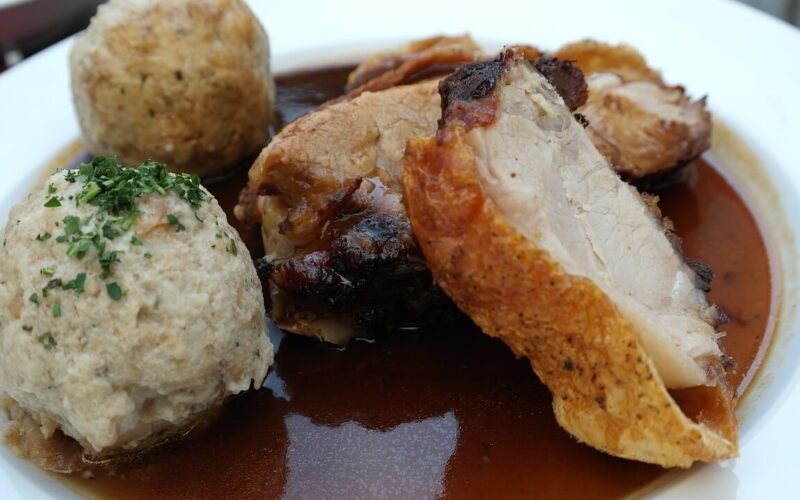
Here’s the kicker: German food is all about hearty, satisfying meals that feel like a warm hug on a plate. Imagine serving a perfectly roasted pork knuckle (schweinshaxe) with golden, buttery spaetzle, or a rich, velvety beef roulade paired with tangy red cabbage. And let’s not forget dessert—decadent Black Forest cake or warm, sugar-dusted apple strudel. These aren’t just meals—they’re moments that clients will rave about, remember, and rebook for.
And here’s the secret sauce: German cuisine is still underrepresented in many markets, which means you have the opportunity to introduce your clients to something fresh, exciting, and completely unique. Whether it’s a traditional Oktoberfest-inspired feast or a refined take on classic dishes, you’re offering an experience that stands out in a crowded culinary landscape.
So, why should you care? Because German cuisine isn’t just a culinary tradition—it’s a business opportunity. It’s a way to attract high-paying clients, build a reputation as the chef who delivers extraordinary, one-of-a-kind dining experiences, and turn hearty meals into hefty profits. Are you ready to turn schnitzel into serious cash?
Aspiring personal chefs need to offer something different than traditional chefs who specialize in one or two kinds of cuisines. I’ve written an extensive article with links to many cuisines for your consideration – World Cuisine for Personal Chefs
Key Ingredients in German Cuisine
German cuisine is characterized by its robust and varied flavors, with key ingredients that reflect the country’s agricultural riches. Central to this cuisine are components like sausage (or wurst), mustard, cabbage, and a variety of herbs and spices like juniper berries, parsley, caraway seeds, and black pepper. Additionally, ingredients such as Quark (a type of soft cheese), Vanilla Sugar, and Bread Spices feature prominently in German cooking.
Sourcing Ingredients and Finding Substitutes
Most ingredients used in German cuisine can be found in local supermarkets or specialty food stores. If certain ingredients like specific German sausages or spices are hard to find, consider using substitutes that offer a similar flavor profile.
Traditional Cooking Methods
Traditional German cooking methods often involve roasting, boiling, braising, and baking. Meats, particularly pork, beef, and poultry, are frequently roasted to perfection, while vegetables are often boiled or pickled.
Taste Profile and Dominant Flavors
German cuisine offers a balance between savory and sweet flavors, with a hint of tartness in some dishes due to the use of pickles and sauerkraut. While some dishes feature a kick of spice from mustard or pepper, German cuisine is not typically spicy.

Cultural Significance and History
German cuisine reflects the country’s rich history and regional diversity. Each dish tells a story of the area it originates from, whether it’s the hearty meat dishes of Bavaria, the seafood delicacies of the North Sea region, or the unique blend of French and German influences in the cuisine of Baden-Württemberg.
Dietary Restrictions and Allergies
Given the heavy reliance on various meats and dairy products, chefs should be mindful of potential allergies and dietary restrictions. However, with the widespread use of vegetables, grains, and legumes, there are plenty of delicious German dishes that cater to different dietary needs.
Health Factor and Modifications
While some German dishes can be rich due to the use of meat, butter, and cream, many others feature nutrient-dense ingredients like whole grains, legumes, and vegetables. As a personal chef, you can make healthier versions of traditional dishes by controlling the amount of fat and salt used.
This not only makes the dishes healthier but also allows for customization based on your client’s dietary needs and preferences.One modification you can make is using leaner cuts of meat, such as chicken or turkey, instead of beef or pork.
You can also swap out butter with olive oil and use low-fat dairy options like Greek yogurt instead of heavy cream.
Another way to increase the health factor in German cuisine is by incorporating more plant-based protein sources like tofu, tempeh, and beans. These ingredients are not only lower in fat and cholesterol but also provide essential nutrients like fiber and vitamins. Plus, they add a new twist to traditional German dishes, making them more exciting for your clients.
Whole grains are another important part of a healthy diet, and luckily, there are many delicious options in German cuisine. Some traditional dishes like sauerkraut and sausage can be served on top of whole grain bread instead of white bread for added fiber and nutrients. You can also use whole-wheat pasta or rice to make dishes like spaetzle or risotto.
It’s essential to consider your client’s dietary restrictions when preparing German cuisine. Many traditional dishes contain gluten, dairy, and meat products, which may not be suitable for those with celiac disease, lactose intolerance, or following a vegetarian/vegan diet. However, with some creativity and ingredient substitutions, you can still create flavorful and satisfying meals that cater to their needs.

Traditional Accompaniments
German meals are often accompanied by hearty breads, pickles, and mustards. These traditional accompaniments are an essential part of the cuisine and add depth and flavor to each dish.
Here are some must-try accompaniments when enjoying German food:
1. Bread: Germany is known for its wide variety of breads, from crusty artisanal loaves to soft pretzels. Rye and sourdough breads are especially popular and often served alongside meals.
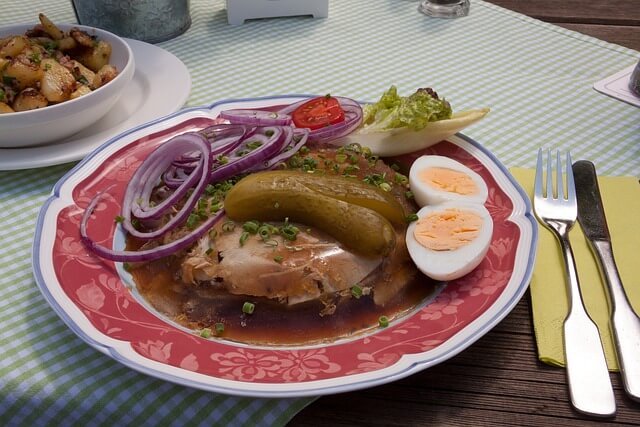
2. Pickles: Germans love pickled vegetables, particularly sauerkraut (fermented cabbage) and gherkins (pickled cucumbers). These tangy sides not only provide a refreshing contrast to rich dishes, but also aid in digestion.
3. Mustard: A staple in German cuisine, mustard comes in many varieties, from spicy to sweet. It’s commonly used as a condiment for sausages, but can also be paired with meats and cheeses.
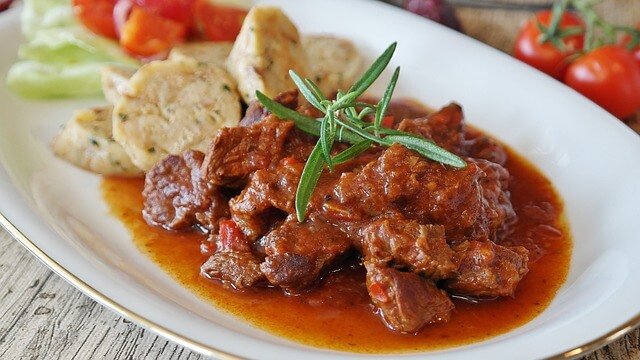
4. Spätzle: This egg noodle dish is a beloved accompaniment to many meals in Germany. The dough is traditionally made by hand and then boiled or fried before being served alongside stews, roasts, or schnitzel.
5. Red Cabbage: A popular side dish, red cabbage is often braised with apples, vinegar, and spices for a tangy and slightly sweet flavor that pairs well with hearty German dishes.
6. Horseradish: Known as “meerrettich” in German, this root vegetable is commonly grated fresh and mixed with vinegar to create a pungent and spicy condiment for meats and sandwiches.
7. Sauerkraut: Another staple in German cuisine, sauerkraut is made from fermented cabbage and often served as a side dish or topping for sausages.
8. Apfelstrudel: This classic German dessert features flaky pastry filled with apples, raisins, cinnamon, and sugar. It’s typically served warm with a dollop of whipped cream or vanilla sauce.
Popular beverages include beer, particularly lagers and pilsners, and Riesling wine.
Presentation and Serving
German food is traditionally served family-style, with communal dishes placed in the center of the table. This approach encourages sharing and enhances the social aspect of dining. However, there are also many formal and elegant presentations of German dishes, especially in fine dining restaurants.
In terms of plating and serving, German cuisine is known for its attention to detail and use of garnishes. Popular garnishes include fresh herbs, pickles, radishes, and lemon wedges. These not only add visual appeal but also provide a balance of flavors to the dish.
Some traditional German dishes are served on special platters or boards that reflect the rustic charm of the cuisine. For example, sausages may be presented on a wooden cutting board with slices of bread and mustard on the side. This type of presentation adds to the overall experience of enjoying an authentic German meal.

Variations and Special Equipment
Regional variations are common in German cuisine, reflecting the country’s diverse geography and cultural influences. No specific equipment is needed beyond what is typically found in a well-stocked kitchen.
Here are some of my favorite tools for providing my personal chef service
As an experienced personal chef, I’ve found that the secret to creating mouthwatering dishes goes beyond just having a passion for food. It’s also about using the right kitchen tools. Today, I’m going to share with you my must-have kitchen items that help me bring my culinary creations to life.
1. Chef’s Knife
The first item on my list is a high-quality chef’s knife. It’s the most versatile tool in my kitchen, perfect for chopping, slicing, and dicing. My preference is for a Global Chef’s Knife, known for the edge and the way they are balanced.
2. Cast Iron Skillet
Next up is a good old cast-iron skillet. From searing steaks to baking cornbread, this pan does it all. I love the Lodge Cast Iron Skillet, which retains heat beautifully and adds a nice crust to anything you cook.
3. Stainless Steel Pots and Pans
A set of stainless steel pots and pans is essential for a variety of cooking techniques. They’re great for simmering, boiling, and sautéing. All-Clad’s Stainless Steel Cookware Set is my go-to choice for its exceptional performance and durability.
4. Immersion Blender
An immersion blender makes pureeing soups, making smoothies, and blending sauces a breeze. I suggest the Braun Multiquick Hand Blender, which is powerful, easy-to-clean, and highly versatile.
5. Digital Thermometer
To ensure perfectly cooked meats every time, a digital thermometer is a must. The ThermoPro TP19 Waterproof Digital Meat Thermometer provides speedy and accurate readings, ensuring your roast chicken or prime rib is cooked to perfection.
6. Silicone Spatula
A silicone spatula is a chef’s best friend for its versatility. It’s heat-resistant, non-stick, and perfect for everything from folding batter to stirring sauces. I recommend the OXO Good Grips Silicone Spatula.
7. Stand Mixer
Lastly, for avid bakers, a stand mixer is a game-changer. The KitchenAid Artisan Series 5-Qt. Stand Mixer isn’t just a pretty face; it makes mixing doughs and batters effortless.
These are the tools that I use daily in my personal chef service. Remember, quality tools make a difference, but they don’t have to break the bank. Start with the basics and add on as you grow more comfortable and adventurous in the kitchen.
Happy cooking!
Pre-preparation and Personal Preferences
Some elements of German cuisine, like marinating meats or fermenting cabbage for sauerkraut, require advance preparation. Always consider your client’s personal preferences and dietary needs to ensure a satisfying dining experience.
German Food for Personal Chefs
So, put on your chef’s apron, and let’s explore the rich flavors and traditions of German cuisine!
For Customers Seeking Culinary Expertise
“Find Your Perfect Chef Today!”
Looking for a personal chef to elevate your dining experience? Discover talented chefs in your area who specialize in creating unforgettable meals tailored to your tastes. Visit our sister site, Personal Chef Finder, and connect with culinary experts ready to bring your vision to life. Your next delicious experience is just a click away!

For Personal Chefs Expanding Their Clientele
“Grow Your Business with Personal Chef Finder!”
Ready to showcase your culinary skills and attract more clients? Join Personal Chef Finder, the go-to platform for connecting personal chefs with food lovers in search of exceptional dining experiences. Gain visibility, expand your reach, and let your passion for cooking shine. Sign up today and start building your dream client base!
