

Table of Contents
ToggleMastering Lactose-Free Cuisine: A Profitable Skill for Personal Chefs
As a personal chef, you’ve likely faced the challenge of crafting menus for clients with dietary restrictions. And while it might seem like limitations could stifle your creativity, the truth is, catering to specific needs—like lactose intolerance—can actually open the door to a highly profitable niche. This isn’t just about avoiding dairy; it’s about mastering the art of creating delicious, satisfying meals that clients will rave about—and pay a premium for.
Lactose intolerance is more common than you might think, and for clients who live with it, finding safe, flavorful dining options can feel like a constant struggle. That’s where you come in. Imagine the value you bring when you can confidently offer dairy-free dishes that don’t just meet their needs but exceed their expectations. From creamy, plant-based soups to decadent desserts made with coconut or almond milk, your ability to deliver meals that are both safe and indulgent makes you more than a chef—you’re a problem solver. And problem solvers command top dollar.
What makes this skill even more exciting is the growing demand for lactose-free options. Whether it’s individuals with lactose intolerance, families with dietary sensitivities, or even health-conscious clients looking to cut back on dairy, the market for dairy-free cuisine is expanding. By positioning yourself as an expert in this space, you’re tapping into a niche that’s hungry for chefs who can deliver both safety and flavor.
And here’s the opportunity: Catering to lactose-intolerant clients doesn’t mean sacrificing creativity. In fact, it pushes you to think outside the box and explore new ingredients and techniques. Whether it’s crafting a rich, dairy-free béchamel sauce, perfecting a cashew-based cheesecake, or creating a velvety risotto without a drop of cream, this challenge allows you to elevate your skills and stand out in a crowded market.
So, why should you care? Because mastering lactose-free cuisine isn’t just about accommodating a dietary restriction—it’s a business opportunity. It’s a way to differentiate yourself, attract discerning clients, and build a reputation as the chef who delivers extraordinary, one-of-a-kind dining experiences. Ready to turn dairy-free cooking into a recipe for success? Let’s get started.
Incorporating special diets into your services is not just about cooking—it’s about enhancing your clients’ quality of life through your culinary expertise. It may seem like a daunting task, but the rewards are immense. Read the giant list of special diets for personal chefs. Your next client might need your help!
Here’s a comprehensive list of things to consider:
Client’s Food Preferences:
Understanding your client’s likes, dislikes, and favorite foods is crucial. This will help you create a menu that not only adheres to their dietary restrictions but also appeals to their palate.
Health History:
It’s essential to know the client’s health history, including any other food allergies or intolerances they may have. This information will guide you in choosing safe ingredients for your recipes.
Dairy Alternatives:
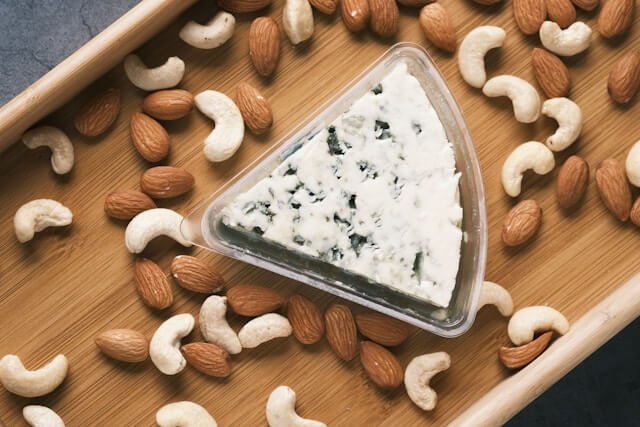
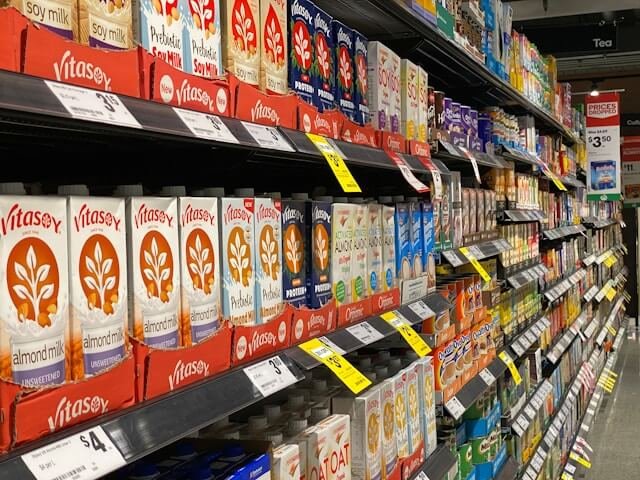
There are many great alternatives to dairy products. Almond milk, soy milk, or oat milk can replace cow’s milk. Vegan cheeses are available in a variety of flavors and textures. Coconut oil or margarine can be used in place of butter. It’s important to familiarize yourself with these alternatives and how they work in different recipes.

Kitchen Equipment and Supplies:
Ensure you have all the necessary equipment and supplies. This might include a good set of non-stick pans (as you won’t be using butter for greasing), a high-quality blender for making smooth dairy-free sauces, and a variety of spices and herbs to enhance flavor.
Wondering what tools a personal chef might need? I’ve written an extensive article for you – A Comprehensive List Of Must-Have Tools and Essential Items for the Personal Chef
Cooking Techniques:
Certain cooking techniques can help you maximize flavor without relying on dairy. For example, roasting vegetables can bring out their natural sweetness, while sautéing with olive oil can add richness to a dish.
Recipes:
Collect a variety of lactose-free recipes to provide your client with a diverse and exciting menu. There are many delicious lactose-free recipes available, from hearty soups and stews to decadent desserts.
Label Reading:
Many processed foods contain hidden sources of lactose. Learn to read food labels carefully and avoid products with ingredients like whey, curds, milk by-products, dry milk solids, and non-fat dry milk powder.
Nutritional Balance:
Ensure the meals are nutritionally balanced. Despite the lack of dairy, your client still needs to get enough calcium and vitamin D. Foods like leafy green vegetables, fortified juices, and cereals can help meet these needs.
Lactose Intolerance for Personal Chefs
By taking these factors into account, you can ensure that you’re well-prepared to cater to a client with lactose intolerance. Your attention to detail and effort to create delicious, lactose-free meals will be sure to impress your client.
Here are some of my favorite tools for providing my personal chef service
As an experienced personal chef, I’ve found that the secret to creating mouthwatering dishes goes beyond just having a passion for food. It’s also about using the right kitchen tools. Today, I’m going to share with you my must-have kitchen items that help me bring my culinary creations to life.
1. Chef’s Knife
The first item on my list is a high-quality chef’s knife. It’s the most versatile tool in my kitchen, perfect for chopping, slicing, and dicing. My preference is for a Global Chef’s Knife, known for the edge and the way they are balanced.
2. Cast Iron Skillet
Next up is a good old cast-iron skillet. From searing steaks to baking cornbread, this pan does it all. I love the Lodge Cast Iron Skillet, which retains heat beautifully and adds a nice crust to anything you cook.
3. Stainless Steel Pots and Pans
A set of stainless steel pots and pans is essential for a variety of cooking techniques. They’re great for simmering, boiling, and sautéing. All-Clad’s Stainless Steel Cookware Set is my go-to choice for its exceptional performance and durability.
4. Immersion Blender
An immersion blender makes pureeing soups, making smoothies, and blending sauces a breeze. I suggest the Braun Multiquick Hand Blender, which is powerful, easy-to-clean, and highly versatile.
5. Digital Thermometer
To ensure perfectly cooked meats every time, a digital thermometer is a must. The ThermoPro TP19 Waterproof Digital Meat Thermometer provides speedy and accurate readings, ensuring your roast chicken or prime rib is cooked to perfection.
6. Silicone Spatula
A silicone spatula is a chef’s best friend for its versatility. It’s heat-resistant, non-stick, and perfect for everything from folding batter to stirring sauces. I recommend the OXO Good Grips Silicone Spatula.
7. Stand Mixer
Lastly, for avid bakers, a stand mixer is a game-changer. The KitchenAid Artisan Series 5-Qt. Stand Mixer isn’t just a pretty face; it makes mixing doughs and batters effortless.
These are the tools that I use daily in my personal chef service. Remember, quality tools make a difference, but they don’t have to break the bank. Start with the basics and add on as you grow more comfortable and adventurous in the kitchen.
Happy cooking!
