
Table of Contents
ToggleMediterranean Diet: A High-Profit Niche for Personal Chefs
The Mediterranean diet isn’t just a way of eating—it’s a lifestyle that’s captured the attention of health-conscious food lovers around the world. With its vibrant flavors, fresh ingredients, and proven health benefits, it’s no wonder this diet has become a favorite among those looking to improve their well-being. But for personal chefs, it’s more than just a trend—it’s a golden opportunity to elevate your business and attract high-paying clients.
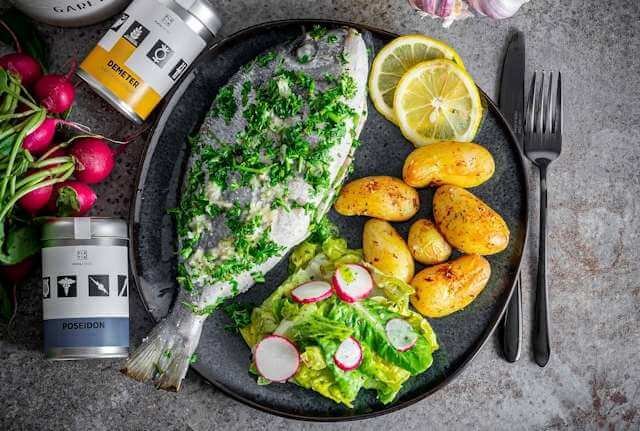
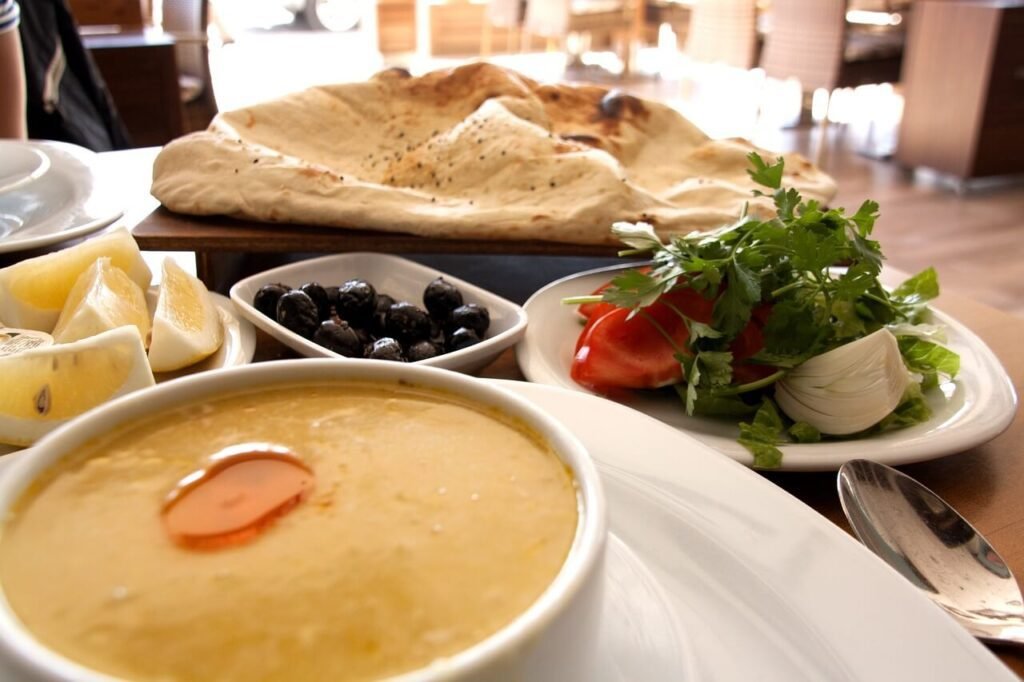
Specializing in the Mediterranean diet allows you to offer something that’s both delicious and in demand. Imagine serving your clients a beautifully plated grilled salmon drizzled with olive oil, paired with a colorful Greek salad bursting with fresh tomatoes, cucumbers, and feta. Or delighting them with a hearty bowl of lentil soup, followed by a dessert of honey-drizzled yogurt topped with fresh figs. These aren’t just meals—they’re experiences that transport your clients to the sun-soaked coasts of Greece or Italy. And when you can deliver that kind of authenticity, you’re not just a chef—you’re a culinary guide. And guides like this command premium rates.
What makes the Mediterranean diet even more exciting is its universal appeal. From busy professionals looking to eat healthier to families seeking flavorful, nutrient-dense meals, the demand for Mediterranean-inspired cuisine is growing. By mastering this style of cooking, you position yourself as a chef who doesn’t just prepare food but curates meals that align with your clients’ health goals and lifestyle aspirations.
And here’s the real opportunity: The Mediterranean diet isn’t just about food—it’s about a way of life. Clients who embrace it are often looking for long-term support, which means repeat business for you. By becoming an expert in Mediterranean ingredients, techniques, and meal planning, you’re offering more than just meals—you’re offering a service that clients will rave about, recommend, and rebook for.
So, why should you care? Because specializing in the Mediterranean diet isn’t just a culinary skill—it’s a business strategy. It’s a way to stand out, attract discerning clients, and build a reputation as the chef who delivers meals that are as nourishing as they are unforgettable. Ready to turn Mediterranean cooking into a recipe for success? Let’s get started.
Aspiring personal chefs need to offer something different than traditional chefs who specialize in one or two kinds of cuisines. I’ve written an extensive article with links to many cuisines for your consideration – World Cuisine for Personal Chefs
What is the Mediterranean Diet?
Unlike many other diets, the Mediterranean diet doesn’t focus on counting calories or cutting out food groups. Instead, it emphasizes a balanced approach to eating, with fruits, vegetables, whole grains, legumes, and lean proteins taking center stage. It’s a diet inspired by the eating habits of Greece, Italy, and Spain back in the 1960s.
What sets this diet apart from others is its emphasis on how we eat. Eating the Mediterranean way encourages savoring each bite, enjoying meals with friends and family, and being physically active. The philosophy behind this diet is that food is not just fuel for our bodies, but also a source of pleasure and social connection.
One of the main components of the Mediterranean diet is a high consumption of plant-based foods. Fruits, vegetables, whole grains, legumes, and nuts make up the majority of meals. These foods are rich in vitamins, minerals, fiber, and antioxidants that promote good health and prevent chronic diseases.
Another key aspect is incorporating healthy fats into the diet. Olive oil is the primary source of fat in this diet and is used generously in cooking and as a dressing for salads. Other sources of healthy fats include avocados, olives, nuts, and seeds.
Lean proteins are also an important part of the Mediterranean diet, with fish and seafood being the primary sources. Poultry, eggs, and dairy are also consumed in moderation, while red meat is limited to a few times a month.
The Mediterranean diet also emphasizes the use of herbs and spices to add flavor to meals instead of relying on salt. This not only adds depth to dishes but also has potential health benefits as many herbs and spices have anti-inflammatory properties.
Health Benefits
The Mediterranean diet is renowned for its health benefits. Studies have shown a reduced risk of heart disease, certain cancers, diabetes, and Alzheimer’s among those who follow this diet. It also promotes healthy weight loss and aids in managing type 2 diabetes.
Key Ingredients
Now, let’s talk about the stars of the show – the ingredients. The Mediterranean diet is rich in:
- Olive Oil: Used in almost every Mediterranean dish, olive oil is high in monounsaturated fats that are good for heart health.
- Fish: Particularly fatty fish like salmon, mackerel, and sardines, which are high in omega-3 fatty acids.
- Whole Grains: Foods like bread, pasta, rice, couscous, bulgur, and farro are integral to this diet. They’re consumed in their whole, unrefined forms.
- Fruits and Vegetables: These add vibrant colors, flavors, and a host of vitamins and minerals to every meal.
- Legumes: Beans, lentils, and peas are excellent sources of plant-based protein and fiber.
- Nuts and Seeds: Almonds, walnuts, sunflower seeds, and more add a bit of crunch and nutrition to dishes.
Eager to unlock the secret of a thriving personal chef business? Dive into our comprehensive guide that lays out every step and strategy you need to master. Don’t miss out, read my Become A Personal Chef article for an in-depth exploration of your future successful career as a personal chef!
Classic Mediterranean Recipes to Try
Here are a couple of easy-to-follow recipes that you can try:
1. Greek Salad: A mix of tomatoes, cucumbers, olives, red onion, and feta cheese drizzled with olive oil and sprinkled with herbs.
2. Grilled Salmon with Quinoa: Season a salmon fillet with lemon, garlic, and herbs, grill it to perfection, and serve with a side of cooked quinoa and vegetables.
3. Hummus: Blend chickpeas, tahini, garlic, and lemon juice for a delicious and nutritious spread or dip.
So, why not give the Mediterranean diet a try? It’s a flavorful, healthful approach to eating that can bring joy back into cooking and eating.
We’d love to hear about your experiences with Mediterranean cuisine. Have you tried any recipes? What’s your favorite Mediterranean dish?
Drop your comments below and let’s get the conversation started!
Wondering what tools a personal chef might need? I’ve written an extensive article for you – A Comprehensive List Of Must-Have Tools and Essential Items for the Personal Chef
Here are some of my favorite tools for providing my personal chef service
As an experienced personal chef, I’ve found that the secret to creating mouthwatering dishes goes beyond just having a passion for food. It’s also about using the right kitchen tools. Today, I’m going to share with you my must-have kitchen items that help me bring my culinary creations to life.
1. Chef’s Knife
The first item on my list is a high-quality chef’s knife. It’s the most versatile tool in my kitchen, perfect for chopping, slicing, and dicing. My preference is for a Global Chef’s Knife, known for the edge and the way they are balanced.
2. Cast Iron Skillet
Next up is a good old cast-iron skillet. From searing steaks to baking cornbread, this pan does it all. I love the Lodge Cast Iron Skillet, which retains heat beautifully and adds a nice crust to anything you cook.
3. Stainless Steel Pots and Pans
A set of stainless steel pots and pans is essential for a variety of cooking techniques. They’re great for simmering, boiling, and sautéing. All-Clad’s Stainless Steel Cookware Set is my go-to choice for its exceptional performance and durability.
4. Immersion Blender
An immersion blender makes pureeing soups, making smoothies, and blending sauces a breeze. I suggest the Braun Multiquick Hand Blender, which is powerful, easy-to-clean, and highly versatile.
5. Digital Thermometer
To ensure perfectly cooked meats every time, a digital thermometer is a must. The ThermoPro TP19 Waterproof Digital Meat Thermometer provides speedy and accurate readings, ensuring your roast chicken or prime rib is cooked to perfection.
6. Silicone Spatula
A silicone spatula is a chef’s best friend for its versatility. It’s heat-resistant, non-stick, and perfect for everything from folding batter to stirring sauces. I recommend the OXO Good Grips Silicone Spatula.
7. Stand Mixer
Lastly, for avid bakers, a stand mixer is a game-changer. The KitchenAid Artisan Series 5-Qt. Stand Mixer isn’t just a pretty face; it makes mixing doughs and batters effortless.
These are the tools that I use daily in my personal chef service. Remember, quality tools make a difference, but they don’t have to break the bank. Start with the basics and add on as you grow more comfortable and adventurous in the kitchen.
Happy cooking!
