
Midwestern Cuisine: The Comfort Food Cash Cow for Personal Chefs
Let’s get real: If you’re a personal chef and you’re not capitalizing on the hearty, soul-warming world of Midwestern U.S. cuisine, you’re leaving a fortune on the table. This isn’t just about serving up meat and potatoes—it’s about delivering the kind of nostalgic, feel-good meals that clients crave and are willing to pay top dollar for. Midwestern cuisine isn’t just food; it’s an emotional experience. And emotional experiences sell.
The Midwest is the heartland of America, and its cuisine reflects that—comforting, hearty, and rooted in tradition. Think about it: golden, flaky pot pies, slow-cooked roasts, buttery casseroles, and desserts like gooey butter cake or fresh-baked pies that taste like they came straight out of grandma’s kitchen. These dishes don’t just fill stomachs—they fill hearts. And when you can deliver that kind of emotional connection through food, you’re not just a chef—you’re a memory maker. And memories are worth every penny.
Here’s the kicker: Midwestern cuisine is deceptively simple, but that’s where the opportunity lies. Most people think they know comfort food, but when you elevate these dishes with your personal chef expertise—using farm-fresh ingredients, perfect seasoning, and a touch of culinary finesse—you’re creating something extraordinary. You’re taking the familiar and making it unforgettable. And that’s the kind of experience clients will rave about, recommend, and rebook.
So, why should you care? Because Midwestern cuisine isn’t just a collection of recipes—it’s a goldmine. It’s a way to stand out, attract high-paying clients, and build a reputation as the chef who delivers the ultimate in comfort and nostalgia. Are you ready to turn meatloaf into money?
Key Ingredients in Midwest U.S. Cuisine
Midwest cuisine is characterized by its use of locally sourced ingredients. Key ingredients include beef, pork, potatoes, corn, onions, dairy products especially cheese, and a variety of fresh produce123.
Sourcing Ingredients and Substitutes
Most of these ingredients can be found in your local supermarket. In cases where certain ingredients like specific types of cheese or meat are not available, similar varieties can be used as substitutes.
Traditional Cooking Methods
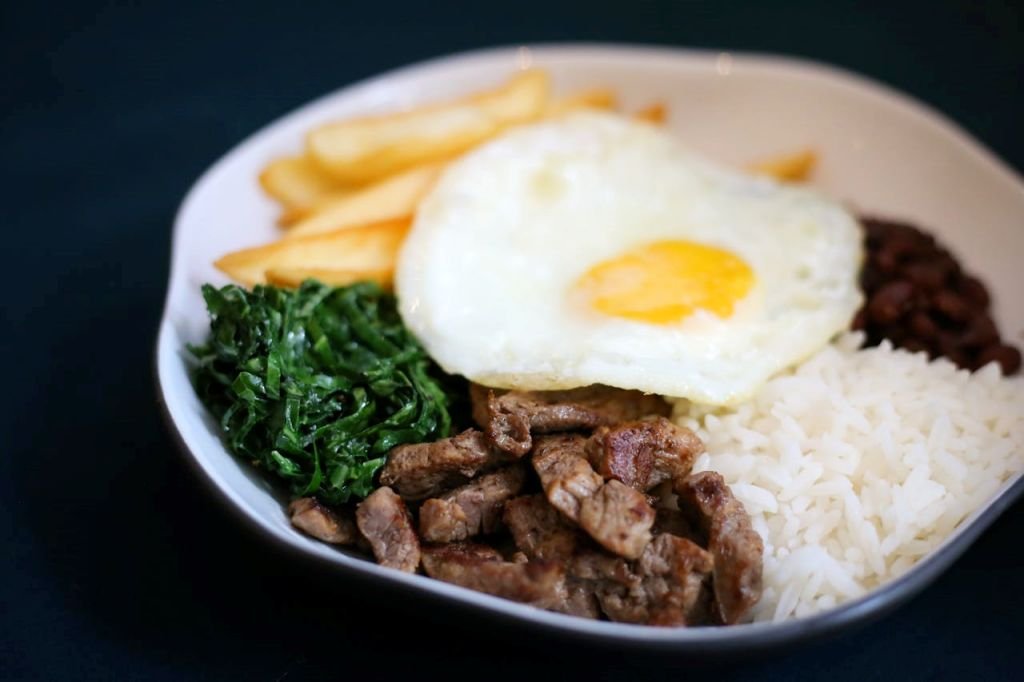
Midwestern cooking is largely about comfort food, with methods including roasting, stewing, baking, and frying. The cuisine is known for dishes like pot roast, sausage, pancakes, casseroles, and stews4.
Tasting Midwest U.S. Cuisine
Midwest cuisine offers a balance of savory and sweet flavors. The dominant flavors are often hearty and robust, reflecting the use of meat, dairy, and root vegetables. While not typically spicy, the spice level can be adjusted to suit your client’s preference.
Cultural Significance and History
Midwest cuisine reflects the region’s agricultural abundance and the influences of European immigrants, particularly from Germany and Scandinavia. It represents a tradition of farm-to-table cooking, with dishes that are straightforward yet satisfying5.
Dietary Considerations
While traditional Midwest cuisine can be rich and hearty, there are many ways to make it healthier without sacrificing flavor. For example, you can use lean cuts of meat, limit the use of salt and sugar, and incorporate more fresh fruits and vegetables. Be mindful of potential allergens, especially gluten and dairy, for clients with dietary restrictions.
Traditional Accompaniments
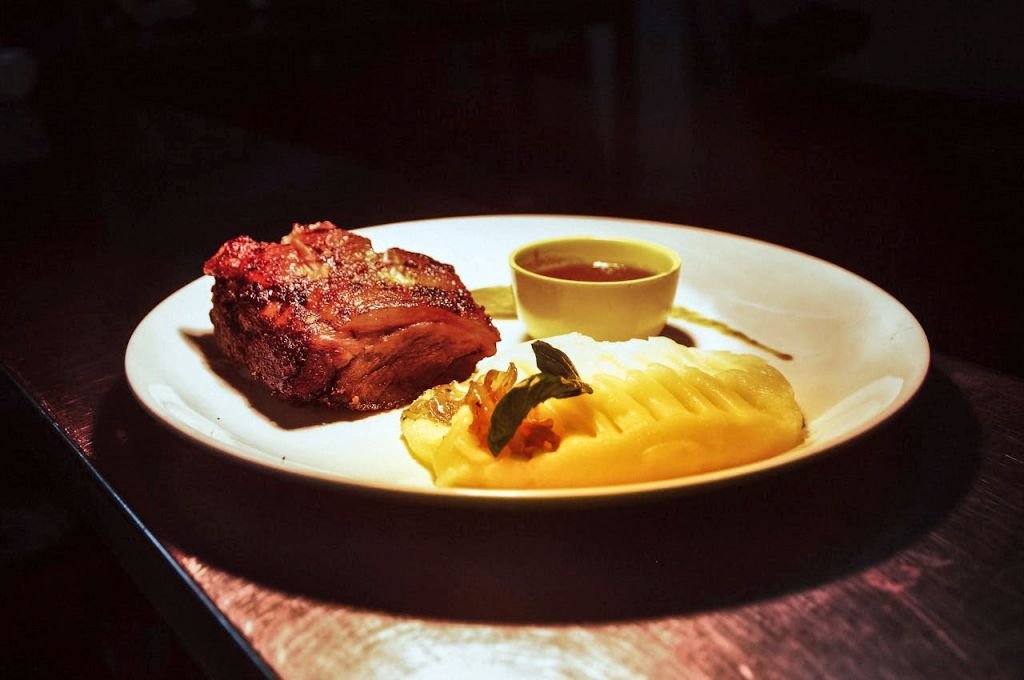
Common Midwest side dishes include mashed potatoes, gravy, and sauerkraut. Desserts often feature ingredients like apples, as in the classic apple pie6.
Presentation and Serving
Midwest dishes are usually served in a casual, family-style manner, reflecting the region’s emphasis on community and shared meals.
Variations of Midwest U.S. Cuisine
There are many regional variations within Midwest cuisine, reflecting the unique characteristics and resources of different areas. For example, Chicago is famous for its deep-dish pizza and hot dogs, while Wisconsin is known for its cheese and dairy products7.
Equipment and Preparation
While no specific equipment is required for most Midwest dishes, a good roasting pan or slow cooker can be handy for preparing meats and stews. Some recipes may require advance preparation, such as marinating meats or soaking beans.
Personalizing Midwest U.S. Cuisine
As a personal chef, you can personalize Midwest dishes to suit your clients’ preferences. This could mean adjusting the seasoning, offering vegetarian versions, or incorporating favorite ingredients while still maintaining the dish’s authenticity.
