

Peruvian Cuisine: A Flavorful Goldmine for Personal Chefs
As a personal chef, your ability to stand out and attract high-paying clients often lies in offering something extraordinary—something that’s not just a meal, but an experience steeped in culture, flavor, and tradition. That’s where the vibrant, diverse, and increasingly sought-after world of Peruvian cuisine comes in.
This isn’t just about adding a few exotic dishes to your repertoire—it’s about mastering a culinary tradition that’s as rich in opportunity as it is in flavor, and one that can elevate your business to new heights.
Peruvian cuisine is a celebration of bold flavors, fresh ingredients, and centuries of cultural fusion. Imagine serving your clients a beautifully plated ceviche, with fresh fish marinated in zesty lime juice, topped with red onions and a hint of chili. Picture the hearty comfort of lomo saltado, a stir-fry of tender beef, tomatoes, and onions served over crispy fries, or the creamy indulgence of ají de gallina, a chicken dish simmered in a rich, spicy sauce.
These aren’t just meals—they’re experiences that transport your clients to the bustling markets of Lima or the breathtaking Andes. And when you can deliver that kind of authenticity, you’re not just a chef—you’re a culinary ambassador. And ambassadors like this command premium rates.
What makes Peruvian cuisine even more exciting is its versatility and growing global appeal. Whether your clients are craving fresh, seafood-forward dishes, hearty comfort foods, or plant-based options like quinoa salads (a superfood native to Peru), this cuisine offers something for every palate.
Its emphasis on bold spices, vibrant colors, and artful presentation also makes it a hit with clients who value both flavor and aesthetics—two key ingredients for creating a dining experience that feels truly special.
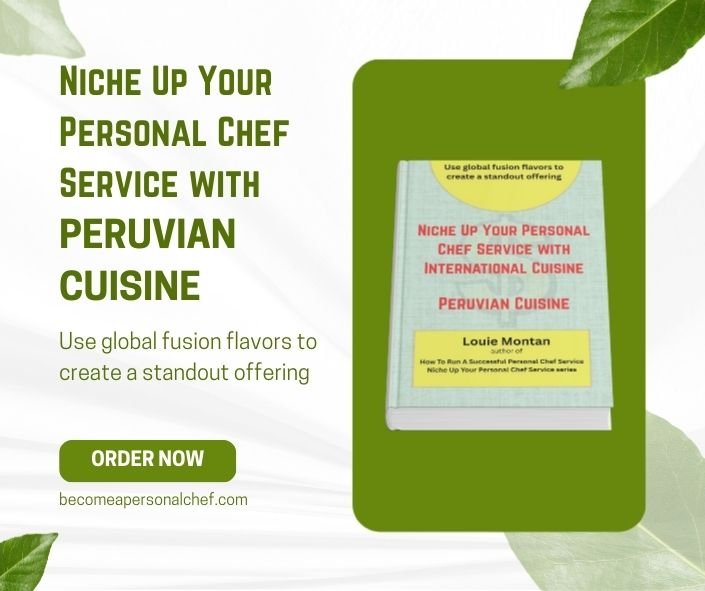
And here’s the opportunity: While Peruvian cuisine is gaining recognition worldwide, it’s still a relatively untapped niche in many markets.
By mastering these flavors and techniques, you position yourself as a chef who brings something truly unique to the table—something clients will rave about, remember, and rebook for.
So, why should you care? Because Peruvian cuisine isn’t just a culinary tradition—it’s a business opportunity. It’s a way to stand out, attract discerning clients, and build a reputation as the chef who delivers extraordinary, one-of-a-kind dining experiences.
Ready to turn ceviche and lomo saltado into a recipe for success? Let’s get started.
Table of Contents
ToggleKey Ingredients in Peruvian Cuisine
Peruvian cuisine is a vibrant blend of flavors influenced by the country’s diverse geography and rich cultural history. Some key ingredients include:
- Potatoes: Peru boasts the widest variety of potatoes in the world[^9^].
- Corn: Another staple in Peruvian cuisine[^10^].
- Chile Peppers: Particularly the Aji Amarillo, a yellow chili pepper that is a fundamental element in many dishes1.
- Cuy: A type of roasted guinea pig which is a delicacy in Peru2.
- Quinoa: A superfood that originated in Peru and Bolivia[^8^].
- Seafood: Given its extensive coastline, seafood is a vital part of Peruvian cuisine.
Sourcing Ingredients and Finding Substitutes
Most of these ingredients can be found in local grocery stores or online. If sourcing proves difficult, substitutes are available. For instance, Habanero or Scotch Bonnet peppers can be used as alternatives for Aji Amarillo.
Traditional Cooking Methods and Taste Profile
Peruvian cuisine is characterized by its simple yet flavor-packed dishes. The taste profile is diverse, with sweet, sour, and spicy notes often present in the same dish. While some dishes can be spicy, the level of heat can usually be adjusted to suit individual preferences.
Cultural Significance and Dietary Considerations
Peruvian cuisine reflects the country’s multicultural heritage, with influences from indigenous cultures, Spain, Africa, China, Italy, and Japan. It’s important to consider dietary restrictions when preparing Peruvian cuisine. Many traditional dishes are gluten-free and can be adapted to suit vegetarian or vegan diets.
Health Considerations and Accompaniments
Peruvian cuisine is generally considered healthy due to its emphasis on fresh ingredients, lean proteins, and superfoods like quinoa and a variety of fruits and vegetables. Traditional accompaniments include rice, potatoes, and Peruvian corn.
Presentation and Preparation
Peruvian dishes are typically served in a family-style setting. Some dishes may require advance preparation, particularly those that involve marinating ingredients, such as the iconic Peruvian dish, Ceviche3.
Personalizing Peruvian Cuisine
As a personal chef, the beauty lies in tailoring each dish to your client’s preferences. Whether they prefer less heat, a different protein, or a vegetarian version, Peruvian cuisine offers plenty of flexibility while still maintaining its authentic flavors.
So, are you ready to take your clients on a culinary journey to Peru? With its diverse flavors and rich cultural history, Peruvian cuisine is sure to be a delight!
