
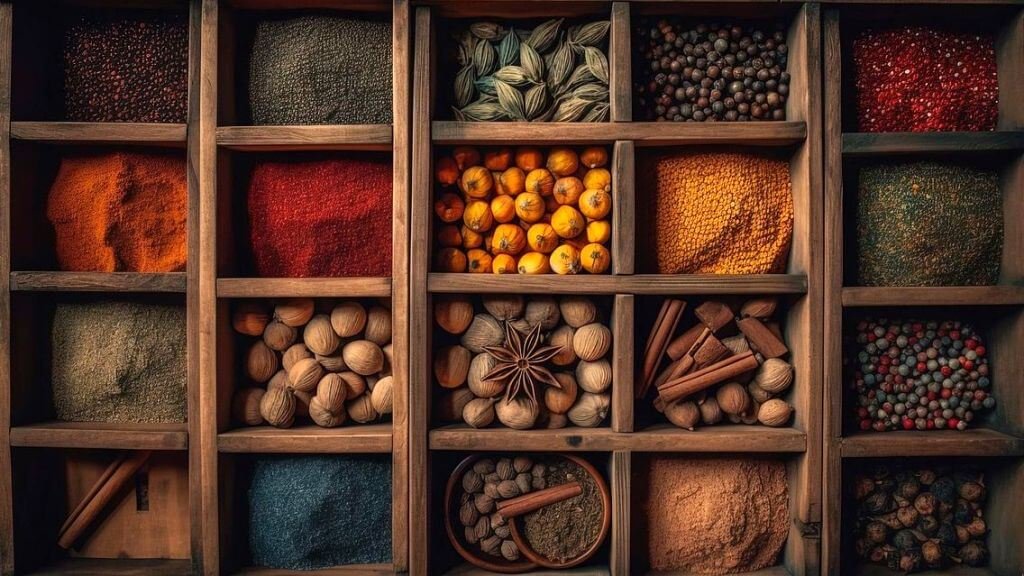
Imagine this: you’re standing in your kitchen, a wooden spice rack before you, each jar a tiny time capsule of history, culture, and flavor. With just a pinch, you can travel to the bustling markets of Marrakech, the sun-drenched coasts of Italy, or the smoky barbecue pits of the American South. Spices are more than just ingredients—they’re storytellers, weaving the tales of ancient trade routes, family traditions, and culinary revolutions.
This list is your passport to the world of flavors, a celebration of the spices that define cuisines from every corner of the globe. From the fiery heat of Jamaican allspice to the delicate floral notes of Persian saffron, each spice carries with it the essence of its homeland. It’s a journey that spans continents, from the fragrant curries of India to the herbaceous simplicity of Greek salads, from the bold zest of Tex-Mex chili to the umami-rich broths of Japan.
But this isn’t just about exotic faraway lands. The United States itself is a melting pot of flavors, with regional cuisines that tell the story of its diverse heritage. Whether it’s the smoky Cajun spices of Louisiana, the dill-kissed seafood of New England, or the fiery green chilies of the Southwest, American cuisine is a patchwork quilt of global influences stitched together with local pride.
So, why spices? Because they’re the soul of every dish. They’re the secret ingredient that transforms a simple meal into a masterpiece. They’re the reason your grandmother’s stew tastes like home, and why a single bite of curry can transport you to a bustling street in Bangkok.
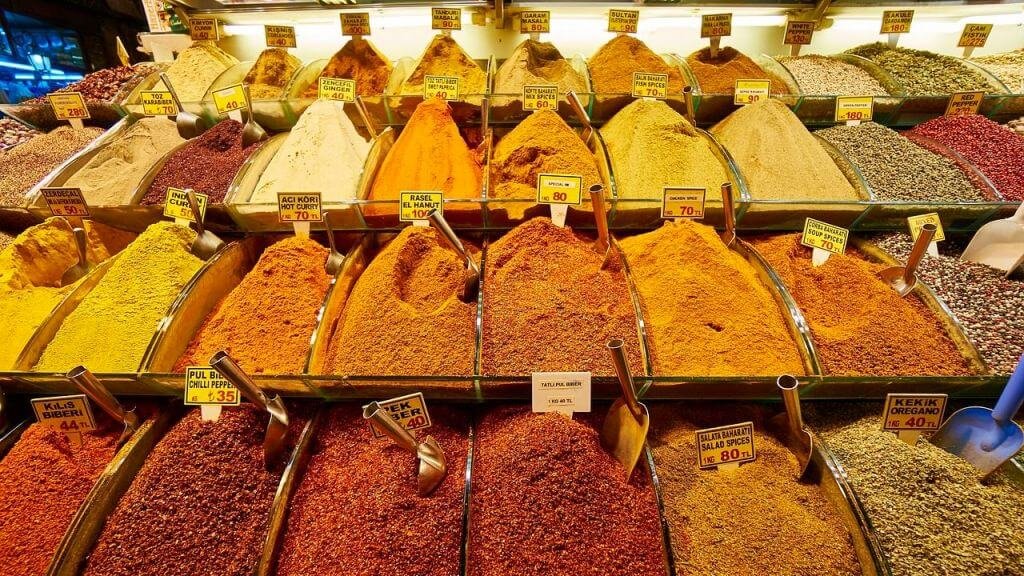
This guide is more than a list—it’s an invitation. An invitation to explore, to experiment, and to fall in love with the flavors of the world. Each spice comes with its own story, its own personality, and its own way of bringing magic to your cooking.
So grab your apron, open your spice jars, and let’s embark on this delicious journey together. From the familiar comforts of cinnamon and garlic to the exotic allure of sumac and galangal, this is your ultimate guide to the spices that make the world’s kitchens sing.
🌍 Cuisines of the World
Italian
Italian cuisine is the epitome of comfort, from hearty lasagnas to creamy risottos. Each bite is a symphony of fresh ingredients, seasoned to perfection with herbs and spices.
- Signature Spices & Herbs:
- Basil: Sweet, peppery, and slightly minty. Essential in pesto, caprese salads, and marinara sauces.
- Oregano: Earthy and slightly bitter, it’s the backbone of pizza sauce and roasted vegetables.
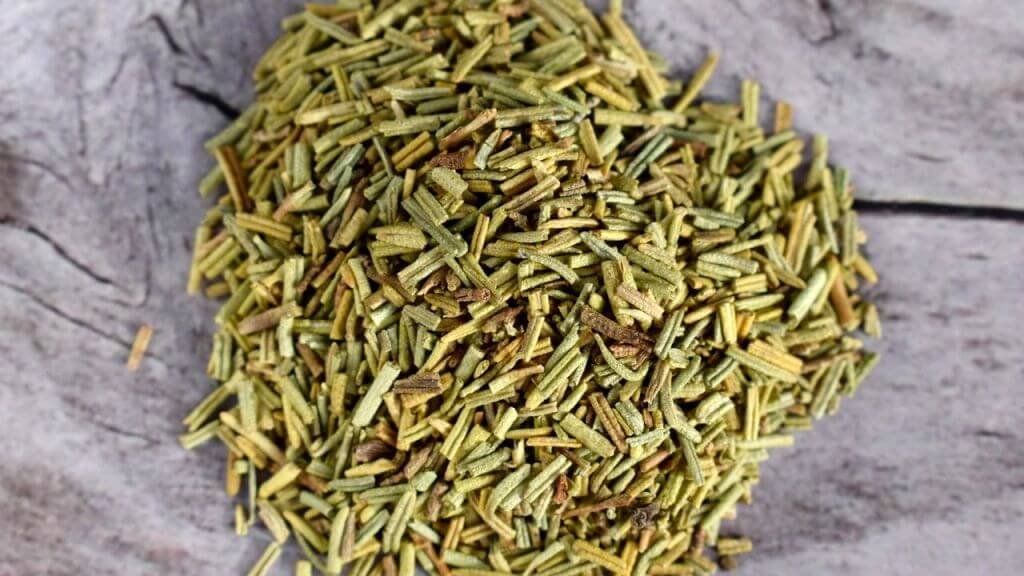
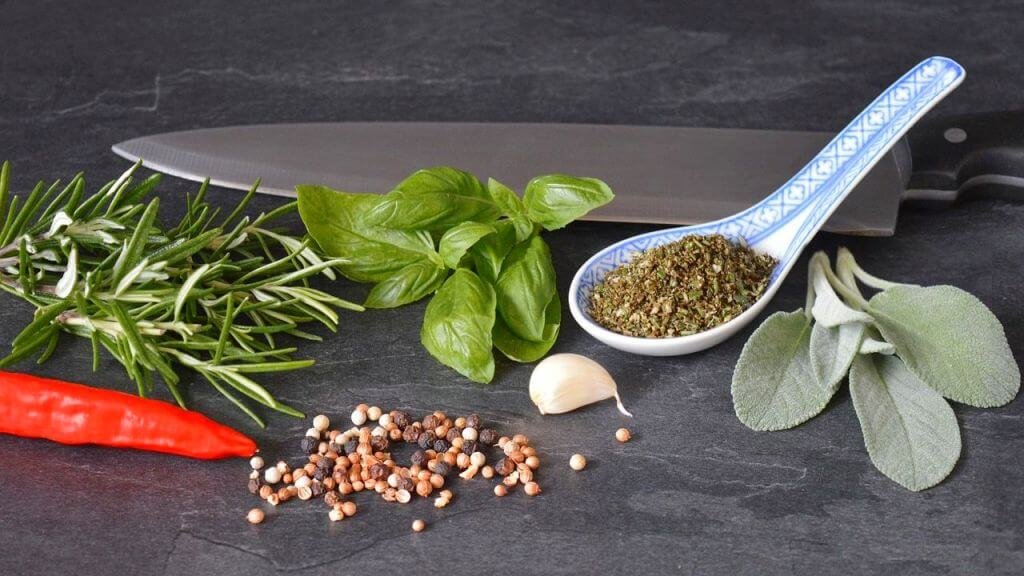
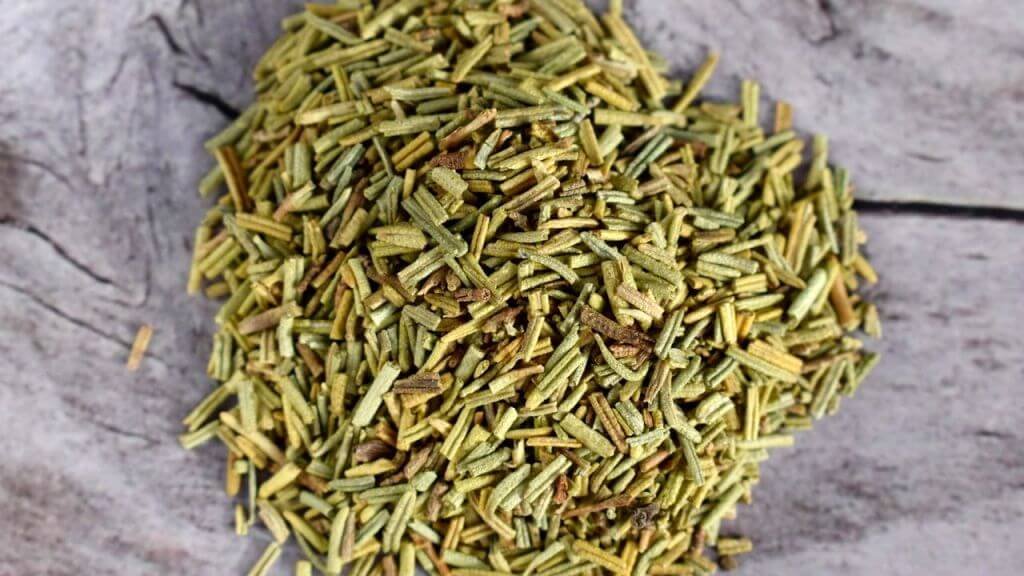
- Rosemary: Piney and aromatic, perfect for focaccia, roasted potatoes, and lamb.
- Fennel Seeds: Sweet and licorice-like, often used in Italian sausages and tomato-based sauces.
- Did You Know? Italians often use fresh herbs like basil and parsley at the end of cooking to preserve their vibrant flavors.
Japanese
Japanese cuisine is a delicate balance of sweet, sour, salty, and umami flavors. Whether it’s sushi, ramen, or tempura, each dish is meticulously presented, reflecting the country’s deep appreciation for aesthetics.
- Signature Spices & Herbs:
- Shichimi Togarashi: A seven-spice blend with chili, sesame, and citrus peel, sprinkled on noodles and soups.
- Wasabi: Fiery and pungent, it’s a must with sushi and sashimi.
- Sansho Pepper: Citrusy and tingly, often used in grilled eel and yakitori.
- Did You Know? Shichimi togarashi dates back to the 17th century and was originally sold by herbalists in Edo (modern-day Tokyo).
Greek
Greek cuisine is a Mediterranean delight. With its selection of fresh salads, grilled meats, and olive oil-drenched dishes, it’s a true celebration of the region’s abundant produce.
- Signature Spices & Herbs:
- Dill: Fresh and grassy, it’s used in tzatziki, dolmas, and fish dishes.
- Mint: Bright and cooling, it’s a key ingredient in Greek salads and lamb dishes.
- Cinnamon: Warm and sweet, it’s surprisingly common in savory dishes like moussaka and pastitsio.
- Did You Know? Greeks often combine cinnamon and oregano in meat dishes for a unique flavor profile.
Spanish
Spanish food is all about sharing. From paella to tapas, each dish is packed with robust flavors, often featuring seafood and cured meats.
- Signature Spices & Herbs:
- Smoked Paprika (Pimentón): Sweet, smoky, and slightly spicy, it’s essential in chorizo and patatas bravas.
- Saffron: Floral and earthy, it gives paella its golden hue and luxurious aroma.
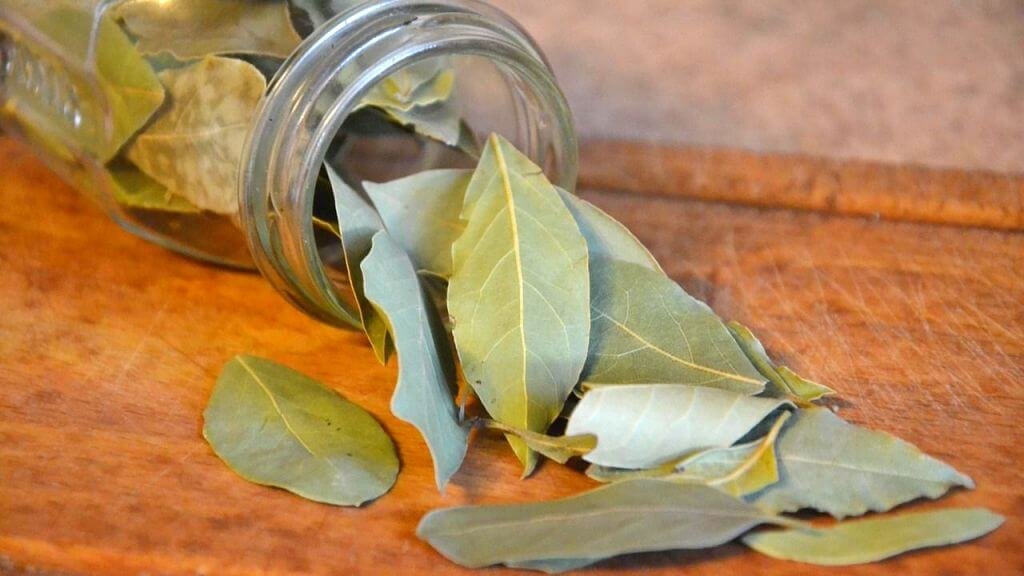
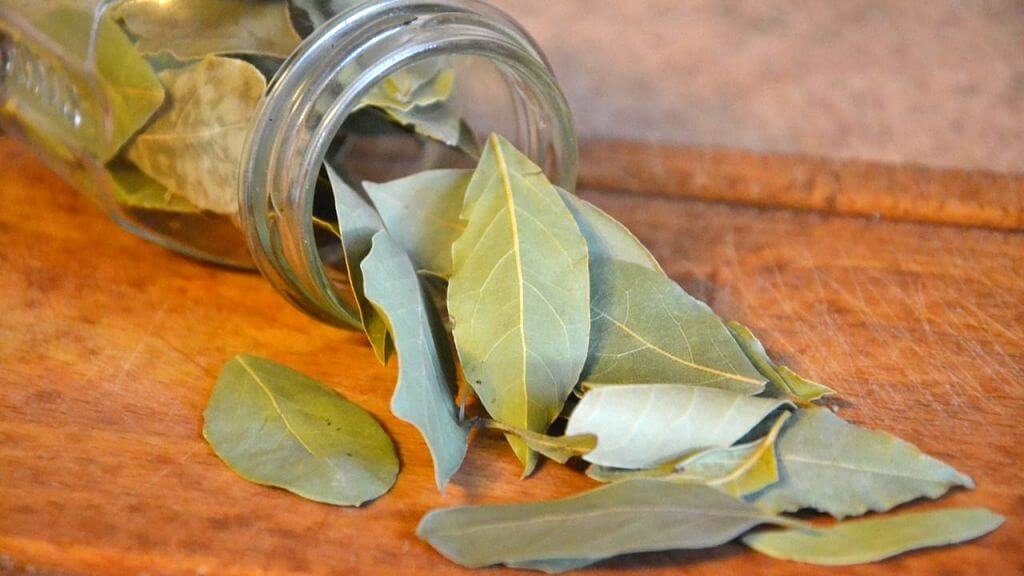
- Bay Leaves: Subtle and herbal, used in stews and braises.
- Did You Know? Spain is the world’s largest producer of saffron, often called “red gold” for its high value.
Lebanese
Lebanese cuisine is a tantalizing blend of Middle Eastern flavors. It’s known for its mezza—an array of small dishes, including falafel, hummus, and tabbouleh.
- Signature Spices & Herbs:
- Sumac: Tangy and lemony, sprinkled on salads and kebabs.
- Za’atar: A blend of thyme, sesame, and sumac, used on flatbreads and roasted vegetables.
- Cinnamon: Adds warmth to savory dishes like kibbeh and rice pilaf.
- Did You Know? Sumac was used by ancient Romans as a souring agent before lemons were introduced.
Thai
Thai food is a feast for the senses. It combines hot, sour, sweet, and salty flavors in harmony, resulting in dishes like Pad Thai and green curry that are both vibrant and comforting.
- Signature Spices & Herbs:
- Galangal: Citrusy and peppery, a key ingredient in tom kha gai and curries.
- Kaffir Lime Leaves: Bright and floral, used in soups and stir-fries.
- Bird’s Eye Chili: Fiery and intense, it’s the heat behind many Thai dishes.
- Did You Know? Thai cuisine often balances five flavors in every dish: sweet, sour, salty, bitter, and spicy.
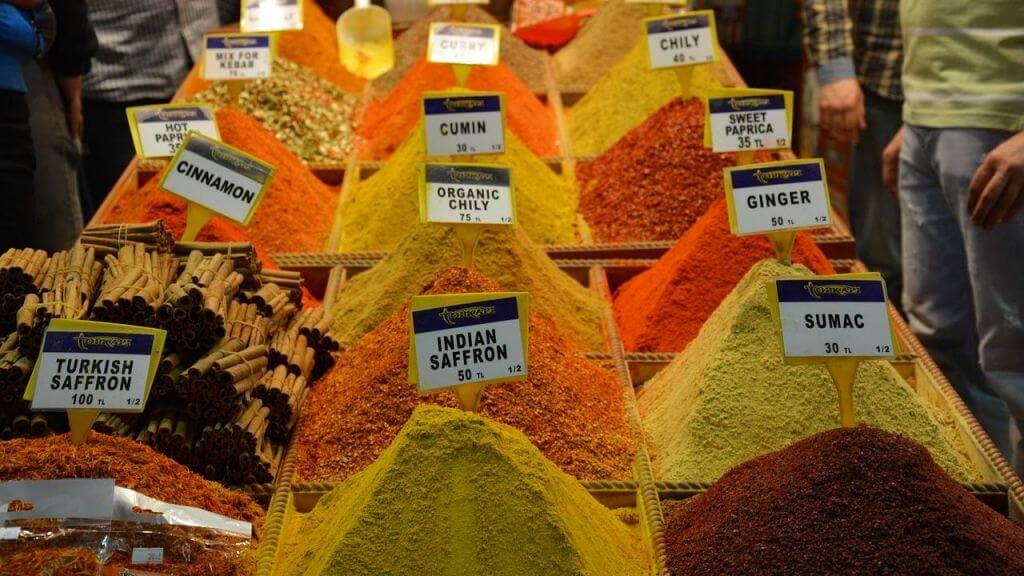
Indian
Indian cuisine is a rich tapestry of flavors, with each region offering its unique dishes. From spicy curries to sweet desserts and flavorful street food, it’s a culinary journey through a diverse culture.
- Signature Spices & Herbs:
- Turmeric: Earthy and golden, it’s the foundation of many curries.
- Cumin: Warm and nutty, used in dals, curries, and spice blends like garam masala.
- Fenugreek: Slightly bitter and maple-like, it’s a secret ingredient in butter chicken.
- Did You Know? India is the largest producer of spices in the world, exporting to over 150 countries.
Mexican
Mexican cuisine is a fiesta of flavors. Tacos, enchiladas, and tamales are bursting with the flavors of chilies, cilantro, and lime, often accompanied by beans and rice.
- Signature Spices & Herbs:
- Chipotle Chili Powder: Smoky and spicy, it’s used in salsas and marinades.
- Epazote: Pungent and herbal, added to beans for flavor and digestion.
- Mexican Oregano: Earthy and citrusy, different from Mediterranean oregano.
- Did You Know? Mole, a traditional Mexican sauce, can contain over 20 spices, including chocolate.
Turkish
Turkish food is a mix of Central Asian, Middle Eastern, and Balkan cuisines. Its kebabs, mezes, and rich pastries like baklava are famous worldwide.
- Signature Spices & Herbs:
- Aleppo Pepper: Mildly spicy and fruity, used in kebabs and dips.
- Sumac: Adds a tangy kick to salads and grilled meats.
- Nigella Seeds: Peppery and nutty, sprinkled on breads like simit.
- Did You Know? Turkish coffee is often flavored with cardamom for a fragrant twist.
Chinese
Chinese cuisine is incredibly diverse, with flavors ranging from sweet and sour to spicy and savory. It’s renowned for its noodles, dumplings, and stir-fried dishes.
- Signature Spices & Herbs:
- Sichuan Peppercorns: Tingly and citrusy, they’re the star of Sichuan dishes like mapo tofu.
- Five-Spice Powder: A blend of star anise, cloves, cinnamon, fennel, and Sichuan pepper, used in roasted meats and braises.
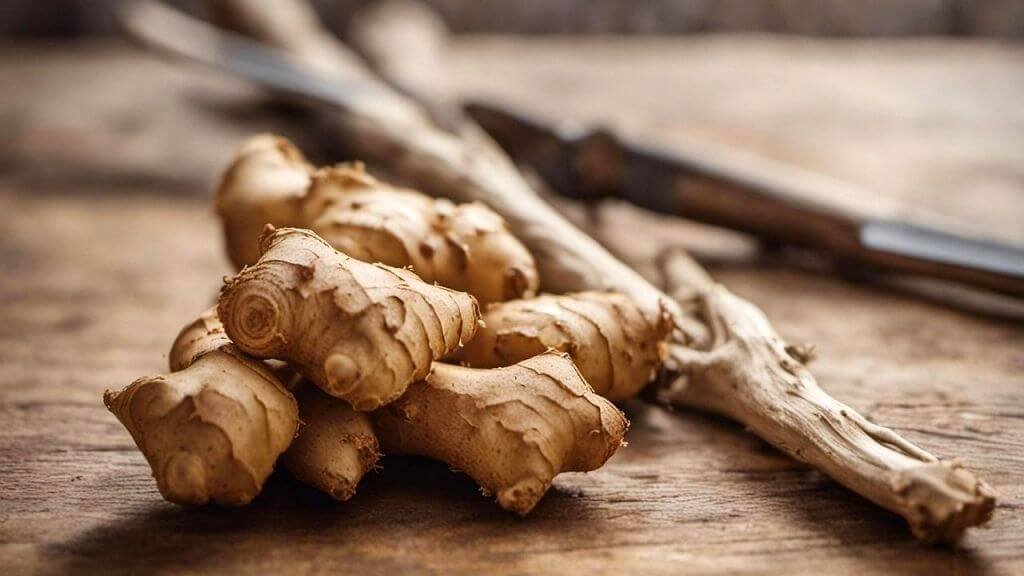
- Ginger: Spicy and warming, it’s a staple in stir-fries and soups.
- Did You Know? Sichuan peppercorns aren’t true peppercorns—they’re the dried husks of a prickly ash tree.
French
French cuisine is a culinary art form. From coq au vin to crème brûlée, each dish is carefully prepared, often involving slow cooking methods to draw out delicate flavors.
- Signature Spices & Herbs:
- Herbes de Provence: A blend of thyme, rosemary, and lavender, perfect for roasted meats and vegetables.
- Tarragon: Sweet and anise-like, used in béarnaise sauce and chicken dishes.
- Nutmeg: Warm and nutty, often grated into creamy sauces and desserts.
- Did You Know? French chefs often use a bouquet garni—a bundle of herbs tied together—to flavor soups and stews.
Vietnamese
Vietnamese food is a blend of Asian and French influences. Pho soup, spring rolls, and banh mi sandwiches offer a delightful mix of fresh ingredients, herbs, and meats.
- Signature Spices & Herbs:
- Star Anise: Sweet and licorice-like, it’s a key ingredient in pho broth.
- Lemongrass: Citrusy and aromatic, used in marinades and stir-fries.
- Coriander (Cilantro): Bright and citrusy, often used fresh as a garnish.
- Did You Know? Vietnamese cuisine emphasizes balance, with dishes designed to harmonize the five elements: wood, fire, earth, metal, and water.
Moroccan
Moroccan cuisine is a fragrant blend of North African, Arabic, and Mediterranean cuisines. Tagines, couscous, and pastillas are slow-cooked to perfection, often sweetened with fruits and honey.
- Signature Spices & Herbs:
- Ras el Hanout: A complex blend of cinnamon, cardamom, and cloves, used in tagines and stews.
- Cumin: Earthy and warm, it’s a staple in Moroccan spice blends.
- Saffron: Floral and luxurious, it’s used in couscous and desserts.
- Did You Know? Ras el hanout translates to “head of the shop,” as it’s traditionally the best blend a spice merchant can offer.
Peruvian
Peruvian food is a fusion of indigenous, Spanish, African, and Asian influences. Its ceviche, lomo saltado, and anticuchos offer a tantalizing mix of flavors.
- Signature Spices & Herbs:
- Aji Amarillo: Fruity and mildly spicy, it’s the heart of Peruvian sauces and stews.
- Huacatay (Black Mint): Herbal and slightly minty, used in Peruvian green sauce.
- Cumin: Adds warmth to dishes like lomo saltado and anticuchos.
- Did You Know? Peru is home to over 4,000 varieties of potatoes, often paired with their signature spices.
Brazilian
Brazilian cuisine is a melting pot of Portuguese, African, and native influences. From feijoada (black bean stew with pork) to acarajé (deep-fried black-eyed pea dough filled with shrimp), it’s a carnivore’s delight.
- Signature Spices & Herbs:
- Annatto Seeds: Earthy and nutty, used to color and flavor stews like moqueca.
- Garlic: Pungent and savory, a cornerstone of Brazilian marinades and sauces.
- Bay Leaves: Subtle and herbal, used in feijoada and rice dishes.
- Did You Know? Annatto seeds are also used to give Brazilian cheeses their signature orange hue.
Korean
Korean cuisine is a spicy adventure. Dishes like kimchi, bibimbap, and bulgogi are served with a variety of side dishes known as banchan.
- Signature Spices & Herbs:
- Gochugaru (Korean Chili Flakes): Smoky and mildly spicy, used in kimchi and stews.
- Sesame Seeds: Nutty and toasty, sprinkled on everything from rice to noodles.
- Garlic: Bold and pungent, it’s a key ingredient in marinades and sauces.
- Did You Know? Gochugaru is made from sun-dried chili peppers, giving it a unique depth of flavor.
South African
South African food is a mix of indigenous, Dutch, and British influences. Biltong (dried, cured meat), boerewors (homemade farm sausages), and bunny chow (hollowed-out bread filled with curry) are beloved staples.
- Signature Spices & Herbs:
- Coriander Seeds: Warm and citrusy, used in boerewors and spice rubs.
- Peri-Peri (Bird’s Eye Chili): Fiery and tangy, the star of peri-peri chicken.
- Cloves: Sweet and aromatic, used in stews and baked goods.
- Did You Know? Peri-peri sauce originated with Portuguese settlers in Mozambique and became a South African favorite.
Ethiopian
Ethiopian cuisine is communal and vibrant. Dishes like doro wat (spicy chicken stew) and injera (sourdough flatbread) are often eaten by hand from a shared plate.
- Signature Spices & Herbs:
- Berbere: Fiery and aromatic, a blend of chili, garlic, and fenugreek.
- Nigella Seeds: Peppery and nutty, sprinkled on injera.
- Cardamom: Sweet and floral, used in coffee ceremonies and desserts.
- Did You Know? Ethiopian coffee ceremonies often include burning frankincense for a multisensory experience.
Filipino
Filipino food is a fusion of Malay, Chinese, Spanish, and American influences. Adobo (marinated meat), sinigang (sour soup), and lechon (whole roasted pig) are just a few of the hearty favorites.
- Signature Spices & Herbs:
- Bay Leaves: Herbal and subtle, used in adobo and stews.
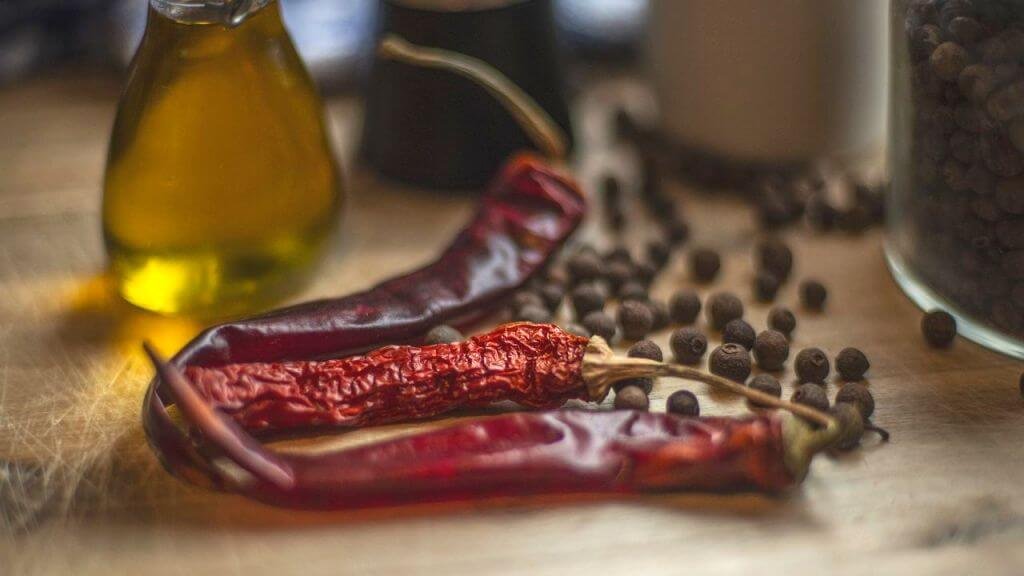
- Black Peppercorns: Pungent and spicy, a key ingredient in Filipino marinades.
- Garlic: Bold and savory, used generously in almost every dish.
- Did You Know? Filipino adobo is considered the unofficial national dish, with countless regional variations.
Malaysian
Malaysian cuisine is a vibrant blend of Malay, Chinese, and Indian influences, creating dishes that are flavorful and aromatic. Nasi lemak, satay, and laksa are some of the must-try dishes.
- Signature Spices & Herbs:
- Turmeric: Earthy and golden, used in curries and rendang.
- Pandan Leaves: Sweet and grassy, used to flavor rice and desserts.
- Galangal: Citrusy and peppery, a key ingredient in laksa.
- Did You Know? Nasi lemak, Malaysia’s national dish, is often wrapped in banana leaves for added aroma.
Portuguese
Portuguese cuisine is a sea lover’s delight, with dishes like bacalhau (salted cod) and caldo verde (green soup). The sweet tooth is catered to with pastéis de nata (custard tarts) and bolo de arroz (rice muffins).
- Signature Spices & Herbs:
- Piri Piri (Bird’s Eye Chili): Fiery and tangy, used in marinades and sauces for grilled chicken and seafood.
- Bay Leaves: Subtle and herbal, a staple in stews and soups.
- Cinnamon: Warm and sweet, used in desserts like arroz doce (rice pudding).
- Did You Know? Portugal’s love for spices dates back to the Age of Exploration, when Portuguese sailors brought exotic spices like cinnamon and nutmeg from the East.
Russian
Russian food is hearty and comforting, from borscht (beetroot soup) to pelmeni (meat dumplings). Don’t forget the blini (thin pancakes), often served with caviar or sour cream.
- Signature Spices & Herbs:
- Dill: Fresh and grassy, used in soups, pickles, and salads.
- Bay Leaves: Herbal and subtle, added to broths and stews.
- Caraway Seeds: Earthy and slightly sweet, used in rye bread and sauerkraut.
- Did You Know? Dill is so beloved in Russia that it’s often referred to as the “king of herbs” in Russian cuisine.
Cuban
Cuban cuisine is a fusion of Spanish, African, and Caribbean flavors. Ropa vieja (shredded beef), black beans, and plantains are staples, often accompanied by a mojito.
- Signature Spices & Herbs:
- Cumin: Warm and earthy, used in black beans and stews.
- Oregano: Herbal and slightly bitter, a key ingredient in Cuban mojo marinade.
- Bay Leaves: Subtle and aromatic, used in soups and rice dishes.
- Did You Know? Ropa vieja, Cuba’s national dish, translates to “old clothes” because the shredded beef resembles tattered fabric.
Jamaican
Jamaican food is bold and spicy, with jerk chicken and patties being popular dishes. Its national dish, ackee and saltfish, showcases the island’s unique ingredients.
- Signature Spices & Herbs:
- Allspice (Pimento): Warm and peppery, the cornerstone of jerk seasoning.
- Scotch Bonnet Peppers: Fiery and fruity, used in marinades and sauces.
- Thyme: Earthy and herbal, used in stews and rice dishes.
- Did You Know? Allspice is native to Jamaica and gets its name because its flavor resembles a mix of cinnamon, nutmeg, and cloves.
German
German cuisine is robust and hearty, with a variety of wursts (sausages), sauerkraut (fermented cabbage), and pretzels. They’re also known for their delicious beer and strudels.
- Signature Spices & Herbs:
- Caraway Seeds: Earthy and slightly sweet, used in sauerkraut and rye bread.
- Mustard Seeds: Pungent and spicy, used in sausages and condiments.
- Nutmeg: Warm and nutty, often added to potato dishes and baked goods.
- Did You Know? Germany is home to over 1,500 types of sausages, each with its own unique spice blend.
Polish
Polish food is satisfying and rich, characterized by pierogi (dumplings), bigos (hunter’s stew), and kielbasa (sausage). Their sweets like paczki (jelly-filled doughnuts) are also worth trying.
- Signature Spices & Herbs:
- Marjoram: Sweet and slightly minty, used in soups and sausages.
- Caraway Seeds: Earthy and aromatic, a staple in rye bread and cabbage dishes.
- Allspice: Warm and peppery, used in stews and pickling.
- Did You Know? Bigos, Poland’s national dish, is often made with a mix of fresh and fermented cabbage for a tangy flavor.
Irish
Irish cuisine offers warm comfort, from Irish stew to colcannon (mashed potatoes with kale or cabbage). And of course, there’s the famous Irish breakfast, complete with black pudding.
- Signature Spices & Herbs:
Australian
Australian food is diverse, from barbecued shrimp to meat pies. Don’t forget Vegemite on toast, and for dessert, the Pavlova meringue cake.
- Signature Spices & Herbs:
- Lemon Myrtle: Citrusy and floral, used in marinades and desserts.
- Tasmanian Pepperberry: Spicy and fruity, a native Australian seasoning.
- Wattle Seed: Nutty and earthy, used in bread and desserts.
- Did You Know? Lemon myrtle is often called the “queen of the bush” for its versatility in both sweet and savory dishes.
Swiss
Swiss cuisine is more than just cheese and chocolate. Think hearty rösti (potato dish), Zürcher geschnetzeltes (creamy veal dish), and fondue.
- Signature Spices & Herbs:
- Nutmeg: Warm and nutty, often grated into cheese fondue and potato dishes.
- Caraway Seeds: Earthy and aromatic, used in bread and sauerkraut.
- Parsley: Fresh and grassy, used as a garnish for soups and stews.
- Did You Know? Fondue was popularized in the 1930s as a way to promote Swiss cheese consumption.
Argentine
Argentine food is a carnivore’s dream, with asado (barbecue) and choripán (sausage sandwich) being popular. Their sweet pastries like facturas are also worth a try.
- Signature Spices & Herbs:
- Smoked Paprika: Sweet and smoky, used in chimichurri and spice rubs.
- Oregano: Herbal and slightly bitter, a key ingredient in chimichurri.
- Cumin: Warm and earthy, used in empanada fillings.
- Did You Know? Chimichurri, Argentina’s famous green sauce, is often made fresh at the table during asados.
Canadian
Canadian cuisine includes comfort foods like poutine (fries with gravy and cheese curds) and tourtière (meat pie). Don’t forget the sweet, sticky delight that is maple syrup.
- Signature Spices & Herbs:
Hungarian
Hungarian food is rich and comforting. Goulash (meat and vegetable stew) and lángos (deep-fried flatbread) are popular, often seasoned with the country’s famous paprika.
- Signature Spices & Herbs:
- Sweet Paprika: Rich and slightly sweet, the star of Hungarian goulash.
- Caraway Seeds: Earthy and aromatic, used in soups and bread.
- Marjoram: Sweet and minty, a staple in stews and sausages.
- Did You Know? Hungary is known as the “Paprika Capital of the World,” producing some of the finest varieties.
Swedish
Swedish cuisine is known for its gravlax (cured salmon), meatballs, and herring dishes. And of course, there’s the iconic smörgåsbord.
- Signature Spices & Herbs:
Not yet! Let’s dive into the rich and diverse regional cuisines of America. Each region has its own unique flavors and spice traditions, so let’s explore them in detail:
Southern United States
Southern cuisine, known as “soul food,” is comfort on a plate. Think fried chicken, biscuits and gravy, and peach cobbler.
- Signature Spices & Herbs:
- Cayenne Pepper: Fiery and bold, used in fried chicken and collard greens.
- Smoked Paprika: Sweet and smoky, a key ingredient in barbecue rubs.
- Thyme: Earthy and herbal, used in gumbo and stews.
- Did You Know? Southern cuisine has deep African-American roots, with many dishes inspired by West African cooking traditions.
Cajun and Creole (Louisiana)
Cajun and Creole cuisines offer a spicy mix of French, African, and Spanish influences. Signature dishes include gumbo, jambalaya, and crawfish étouffée.
- Signature Spices & Herbs:
- Cajun Seasoning: A blend of paprika, cayenne, garlic powder, and oregano, used in blackened fish and shrimp.
- File Powder (Ground Sassafras): Earthy and slightly sweet, used to thicken gumbo.
- Bay Leaves: Subtle and herbal, added to soups and stews.
- Did You Know? Creole cuisine is more refined and urban, while Cajun cuisine is rustic and rooted in the countryside.
Tex-Mex (Texas)
Tex-Mex is a fusion of Mexican and American cuisines, characterized by nachos, fajitas, and chili con carne.
- Signature Spices & Herbs:
- Chili Powder: Smoky and mildly spicy, the base of Tex-Mex chili.
- Cumin: Warm and earthy, used in tacos and enchiladas.
- Cilantro: Bright and citrusy, often used fresh as a garnish.
- Did You Know? Tex-Mex cuisine popularized the use of yellow cheese, which is rarely found in traditional Mexican cooking.
New England (Northeastern US)
New England cuisine features seafood prominently, including clam chowder, lobster rolls, and clambakes.
- Signature Spices & Herbs:
- Old Bay Seasoning: A blend of celery salt, paprika, and black pepper, used in crab and lobster boils.
- Parsley: Fresh and grassy, used in chowders and seafood dishes.
- Thyme: Earthy and herbal, a key ingredient in stuffing and soups.
- Did You Know? Clam chowder has two main styles: creamy New England and tomato-based Manhattan.
Pacific Northwest (Northwestern US)
Pacific Northwest cuisine highlights local ingredients like salmon, berries, and mushrooms. Dungeness crab is a regional favorite.
- Signature Spices & Herbs:
- Juniper Berries: Piney and slightly sweet, used in game meats and brines.
- Dill: Fresh and grassy, paired with salmon and seafood.
- Garlic: Bold and savory, a staple in marinades and sauces.
- Did You Know? The Pacific Northwest is known for its wild foraged mushrooms, like chanterelles and morels.
Hawaiian
Hawaiian cuisine is a fusion of Polynesian, Asian, and American influences. Poke bowls, spam musubi, and the traditional luau pig are island favorites.
- Signature Spices & Herbs:
- Hawaiian Sea Salt: Mineral-rich and slightly briny, used in poke and kalua pork.
- Ginger: Spicy and warming, used in marinades and sauces.
- Nori (Seaweed): Briny and umami-rich, used in spam musubi and sushi.
- Did You Know? Traditional Hawaiian cooking uses an imu, an underground oven, to slow-cook meats like kalua pig.
Soul Food (Southeastern US)
Soul food is comfort food with African-American roots. Fried chicken, collard greens, and sweet potato pie are staples.
- Signature Spices & Herbs:
- Cayenne Pepper: Fiery and bold, used in fried chicken and hot sauces.
- Smoked Paprika: Sweet and smoky, a key ingredient in spice rubs.
- Garlic Powder: Savory and pungent, used in seasoning blends.
- Did You Know? Collard greens are often cooked with smoked meats like ham hocks for added flavor.
Southwestern (Southwestern US)
Southwestern cuisine is known for its use of beans, corn, and chili peppers. Dishes like tamales and enchiladas are popular.
- Signature Spices & Herbs:
- Ancho Chili Powder: Sweet and smoky, used in sauces and marinades.
- Cumin: Warm and nutty, a staple in chili and tacos.
- Oregano (Mexican): Earthy and citrusy, used in salsas and stews.
- Did You Know? The Hatch Valley in New Mexico is famous for its green chilies, which are celebrated in an annual chili festival.
Midwestern (Midwestern US)
Midwestern cuisine is hearty and comforting, featuring dishes like hotdish (casserole), bratwursts, and Chicago-style pizza.
- Signature Spices & Herbs:
- Dill: Fresh and grassy, used in pickles and potato salads.
- Caraway Seeds: Earthy and aromatic, used in rye bread and sauerkraut.
- Garlic Powder: Savory and pungent, a staple in casseroles and spice blends.
- Did You Know? The Midwest is often called the “breadbasket of America” for its abundant grain production.
California Cuisine (California)
California cuisine emphasizes fresh, locally sourced ingredients, often prepared simply to highlight their natural flavors. Avocado toast, salads, and fresh seafood are typical.
- Signature Spices & Herbs:
- Cilantro: Bright and citrusy, used in salsas and salads.
- Lemon Zest: Fresh and tangy, used to brighten seafood and vegetable dishes.
- Basil: Sweet and peppery, a favorite in California-style pizzas and pastas.
- Did You Know? California produces over 90% of the nation’s avocados, making it the avocado capital of the US.
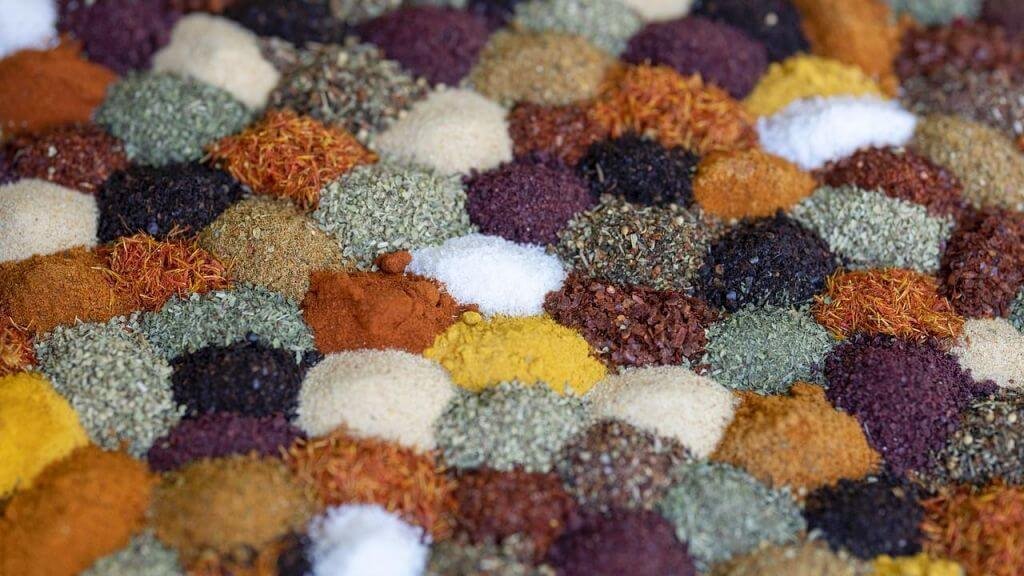
✨ A Flavorful Farewell: Your Journey Begins Here ✨
As we close the pages of this culinary guide, let’s take a moment to reflect on the incredible journey we’ve embarked upon together—a journey through the vibrant, aromatic, and endlessly inspiring world of spices. From the golden warmth of turmeric to the smoky allure of paprika, from the fiery kick of Sichuan peppercorns to the tangy brightness of sumac, each spice is a key to unlocking the heart of a culture, a dish, and a story.
Exploring spices from around the world isn’t just about adding flavor to your food—it’s about adding depth to your life. Every pinch, sprinkle, and dash is an opportunity to connect with traditions that span centuries, to honor the hands that cultivated these ingredients, and to bring a piece of the world into your kitchen. It’s a reminder that food is a universal language, one that transcends borders and speaks directly to the soul.
For aspiring chefs and culinary professionals, this exploration is more than a passion—it’s a pathway to mastery. By embracing the flavors of the world, you’re not just expanding your cooking repertoire; you’re elevating your ability to satisfy the diverse palates of your clients. Whether you’re crafting a Moroccan-inspired tagine, a Thai green curry, or a classic French coq au vin, your knowledge of global spices will set you apart, allowing you to create dishes that are as authentic as they are unforgettable.
But the rewards go beyond the plate. Mastering global flavors can transform your culinary career, opening doors to new opportunities and greater success. In a world that craves innovation and authenticity, your ability to weave the flavors of different cultures into your cooking will make you a sought-after chef, caterer, or food entrepreneur. And the best part? You’ll be making a living by doing what you love—sharing your passion for food with the world.
So, to all the dreamers, creators, and flavor-seekers out there: embrace this journey of exploration and creativity. Be fearless in your experiments, curious in your learning, and generous in your sharing. Let the spices of the world inspire you to push boundaries, tell stories, and create dishes that leave a lasting impression.
The kitchen is your canvas, and the spices are your palette. Now, it’s time to paint your masterpiece. Go forth, explore, and let the world’s flavors guide you to new heights in your culinary adventures.
Here’s to a life filled with bold flavors, endless creativity, and the joy of doing what you love. Bon appétit—and happy cooking! 🌍✨🌶️