

Table of Contents
ToggleNew Zealand Cuisine: The High-Profit Playbook for Personal Chefs
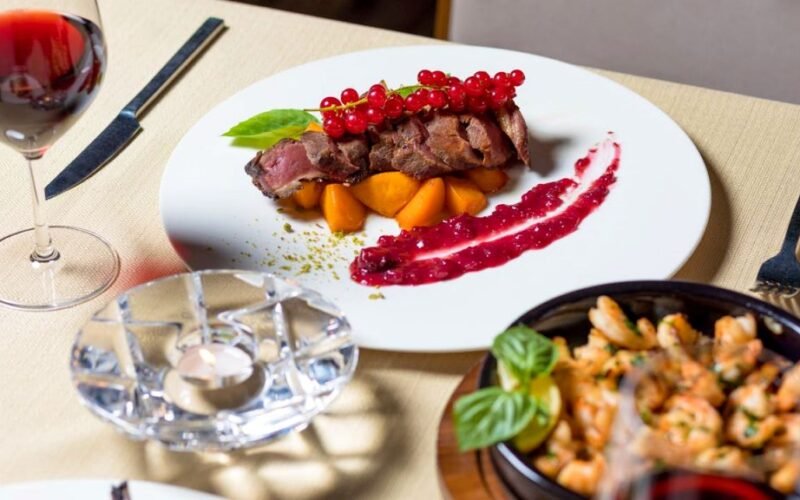
Let’s not beat around the bush: If you’re a personal chef and you’re not leveraging the unique, high-end appeal of New Zealand cuisine, you’re leaving serious money on the table. This isn’t just about adding a few exotic dishes to your menu—it’s about positioning yourself as the chef who delivers rare, unforgettable dining experiences that clients will pay a premium for. New Zealand cuisine is your ticket to standing out, commanding higher fees, and building a reputation as a culinary innovator.
New Zealand is famous for its breathtaking landscapes and rich Maori culture, but here’s the real secret: its culinary scene is just as stunning. This is a cuisine that blends indigenous ingredients, traditional Maori cooking methods, and global influences from Europe and Asia into something truly extraordinary. Think about it—serving your clients dishes like tender lamb roasted to perfection, fresh green-lipped mussels, or a hangi feast cooked in an earth oven. These aren’t just meals; they’re experiences. And experiences are what people pay top dollar for.
Here’s the kicker: New Zealand cuisine is still relatively under the radar for most people. That’s your edge. When you can introduce your clients to the bold, fresh flavors of New Zealand—like the tangy sweetness of pavlova or the smoky, earthy depth of kumara (sweet potato)—you’re not just feeding them; you’re giving them a story to tell. And stories are what turn one-time clients into loyal, repeat customers.
So, why should you care? Because New Zealand cuisine isn’t just a culinary adventure—it’s a business opportunity. It’s a way to elevate your brand, attract high-paying clients, and set yourself apart as the chef who delivers the extraordinary. Are you ready to turn green-lipped mussels into green in your bank account?
Key Ingredients in New Zealand Cuisine
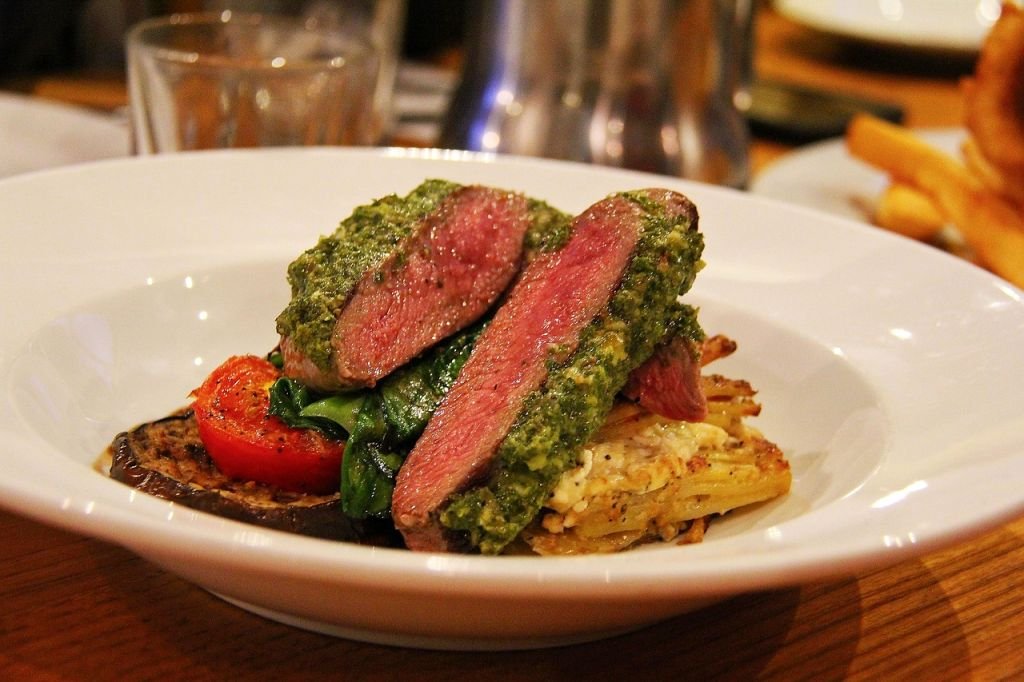
New Zealand’s cuisine is deeply rooted in its natural abundance, with a strong focus on fresh, locally-sourced ingredients12. Here are some key ingredients that give Kiwi cuisine its distinctive flavor:
- Kokihi: Also known as New Zealand spinach, kokihi is a popular leafy green in many Kiwi dishes.
- Horopito: This native bush pepper adds a spicy kick to dishes.
- Pikopiko: These young fern fronds lend a unique, earthy flavor.
- Koura: Freshwater crayfish that are a delicacy in New Zealand.
- Karengo: A type of edible seaweed used in a variety of dishes.
- Puha: Traditionally used in Maori boil-up, this green leafy vegetable has a slightly bitter taste.
- Tutaekuri: A type of native blackberry.
- Kawakawa: This plant is used as a spice and also for medicinal purposes.
- Lamb and Seafood: Both are staples in New Zealand cuisine, due to the country’s extensive coastline and pastoral farming.
In addition to these, other traditional Maori ingredients include flaxseed oil and kumara (sweet potato).
Sourcing Ingredients Locally
While some of these ingredients might be challenging to find outside of New Zealand, substitutes can be found. For instance, spinach can substitute kokihi and blackberries can replace tutaekuri. For items like horopito and kawakawa, you could consider online specialty stores that stock these indigenous ingredients.
Traditional Cooking Methods
The traditional Maori method of cooking, known as hāngi, involves cooking food underground in a pit oven for several hours4. This slow-cooking process imparts a smoky, earthy flavor to the food.
Taste Profile and Dominant Flavors
New Zealand cuisine is diverse in flavors – sweet, savory, spicy, and umami. The use of fresh, local ingredients results in dishes that are flavorful yet not overly complex.
Cultural Significance and History
New Zealand’s cuisine reflects its diverse history, with influences from the indigenous Maori culture, British colonization, and more recent Asian influences. The use of native ingredients and traditional cooking methods, such as the hāngi, is a testament to the Maori’s deep connection with the land.
Dietary Considerations and Health Aspects
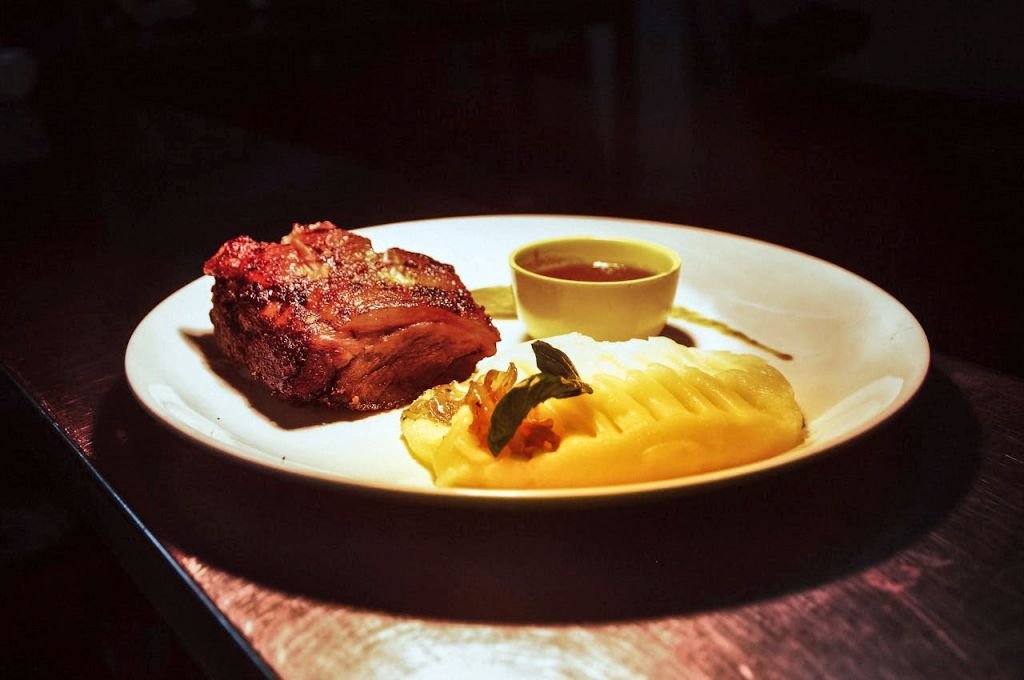
New Zealand cuisine is generally healthy, focusing on lean meats, seafood, and fresh fruits and vegetables. However, some traditional dishes may be high in fat or salt, so modifications can be made to suit dietary needs without losing authenticity.
Accompaniments and Presentation
New Zealand dishes are often served with locally produced wines and beers4. Presentation varies widely, from rustic and hearty meals to fine-dining presentations.
Variations and Specific Equipment
While many New Zealand dishes can be prepared using standard kitchen equipment, traditional Maori cooking methods like the hāngi require specific equipment and techniques.
New Zealand Cuisine Guide For Personal Chefs
New Zealand cuisine offers a unique culinary experience, with its use of indigenous ingredients, traditional cooking methods, and diverse influences. As personal chefs, we have the exciting task of bringing these global flavors to our clients’ dining tables.
For Customers Seeking Culinary Expertise
“Find Your Perfect Chef Today!”
Looking for a personal chef to elevate your dining experience? Discover talented chefs in your area who specialize in creating unforgettable meals tailored to your tastes. Visit our sister site, Personal Chef Finder, and connect with culinary experts ready to bring your vision to life. Your next delicious experience is just a click away!

For Personal Chefs Expanding Their Clientele
“Grow Your Business with Personal Chef Finder!”
Ready to showcase your culinary skills and attract more clients? Join Personal Chef Finder, the go-to platform for connecting personal chefs with food lovers in search of exceptional dining experiences. Gain visibility, expand your reach, and let your passion for cooking shine. Sign up today and start building your dream client base!
