

Table of Contents
ToggleTex-Mex Cuisine: A Bold and Profitable Opportunity for Personal Chefs
As a personal chef, your ability to stand out and attract premium clients often comes down to offering something that’s not just delicious, but downright unforgettable. That’s where the bold, hearty, and wildly popular world of Tex-Mex cuisine comes in. This isn’t just about serving tacos and enchiladas—it’s about mastering a fusion of Mexican and American flavors that’s as comforting as it is crave-worthy, and one that can turn your culinary skills into a serious profit generator.
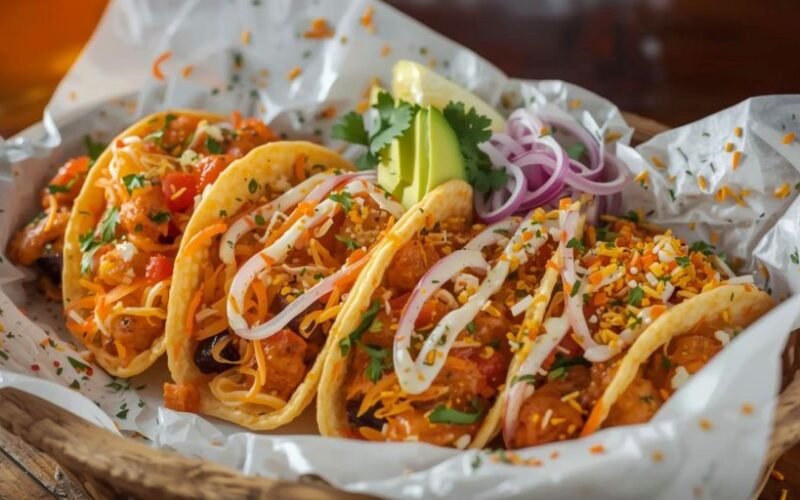
Tex-Mex cuisine is all about big, bold flavors and dishes that satisfy on every level. Imagine serving your clients sizzling fajitas, the aroma of perfectly seasoned meat and vegetables filling the air, or a bubbling skillet of cheesy, spicy chili con queso paired with fresh tortilla chips. Picture a plate of enchiladas smothered in rich, flavorful sauces or a hearty bowl of Texas-style chili that warms the soul. These aren’t just meals—they’re experiences that bring the heart of Texas right to your clients’ tables. And when you can deliver that kind of flavor-packed authenticity, you’re not just a chef—you’re a culinary powerhouse. And powerhouses command premium rates.
What makes Tex-Mex cuisine even more exciting is its universal appeal. Whether your clients are looking for indulgent, meat-forward dishes like barbacoa tacos, lighter options like fresh guacamole and pico de gallo, or crowd-pleasing classics like nachos and tamales, Tex-Mex offers something for everyone. Its emphasis on bold spices, fresh ingredients, and generous portions makes it a hit with clients who want meals that are both satisfying and memorable.
And here’s the opportunity: Tex-Mex cuisine is a staple in many households, but few clients have experienced it at its best—crafted with care, authenticity, and a touch of culinary flair. By mastering these flavors and techniques, you position yourself as a chef who can elevate this beloved cuisine to new heights—something clients will rave about, remember, and rebook for.
So, why should you care? Because Tex-Mex cuisine isn’t just a culinary style—it’s a business opportunity. It’s a way to stand out, attract discerning clients, and build a reputation as the chef who delivers extraordinary, flavor-packed dining experiences. Ready to turn fajitas and queso into a recipe for success? Let’s get started.
Key Ingredients in Tex-Mex Cuisine
Tex-Mex cuisine is characterized by its use of ingredients like yellow cheese, ground beef, wheat flour tortillas, black beans, canned vegetables, and a heavy dose of cumin1. Other common ingredients include guacamole, Spanish rice, and taco seasoning.
Sourcing Ingredients and Substitutes
Most of these ingredients are readily available at local supermarkets or online. If there’s a need for substitution, you can usually find close alternatives. For example, if yellow cheese isn’t available, Cheddar Jack Cheese can be used.
Traditional Cooking Methods
Tex-Mex dishes are typically sautéed, baked, or fried. The cuisine is known for its hearty casseroles, grilled meats, and delicious dips.
Tasting Tex-Mex Cuisine
Tex-Mex cuisine is known for its zesty, robust flavors with a balance of savory, spicy, and sometimes sweet notes. While it can be spicy, the heat level is often adjustable to suit different palates4.
Cultural Significance and History
Tex-Mex cuisine reflects the blending of Mexican and American cultures in Texas. It began as a regional cuisine but has since gained popularity nationwide and internationally.
Dietary Considerations
While some Tex-Mex dishes can be rich and hearty, there are also plenty of options for healthier adaptations. For instance, lean proteins, fresh vegetables, and whole grains can be incorporated. Be aware of potential allergens, especially dairy and gluten, for clients with dietary restrictions5.
Traditional Accompaniments
Tex-Mex cuisine is often accompanied by sides like refried beans, Spanish rice, and guacamole. For dessert, sopapillas (fried pastries) and churros are popular choices.
Presentation and Serving
Tex-Mex dishes are usually served family-style, with everyone sharing from communal dishes. This reflects the warm, hospitable nature of Texan culture.
Variations of Tex-Mex Cuisine
There are many variations within Tex-Mex cuisine, reflecting the diversity of Texas itself. Some dishes may have regional twists, incorporate local ingredients, or be influenced by other cuisines.
Equipment and Preparation
No specific equipment is required for most Tex-Mex dishes, but a good skillet or griddle can be handy for frying and grilling. Some recipes may require advance preparation, like marinating meats or soaking beans.
Personalizing Tex-Mex Cuisine
As a personal chef, you can personalize Tex-Mex dishes to suit your clients’ preferences. This could mean adjusting the spice level, offering vegetarian versions, or adding in favorite ingredients while still maintaining the dish’s authenticity.
